

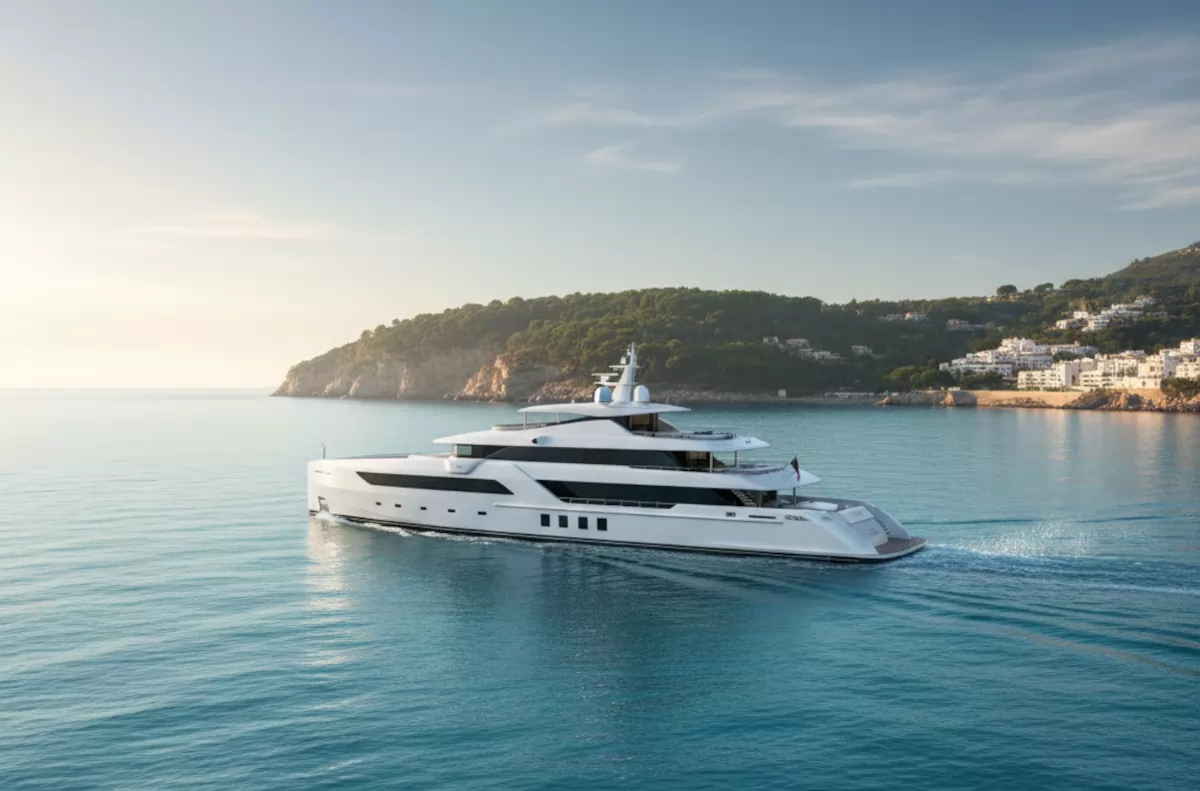
Until recently, the dream of sailing in complete silence, without the smell of diesel and without harming the marine ecosystem, seemed like science fiction. However, in 2026, this dream is already a reality. Hydrogen yachts are not just a new trend; they are a symbol of a new era in shipping, where luxury and environmental responsibility go hand in hand.
Why is Hydrogen the 'Holy Grail' of Seafaring?
Unlike traditional engines, hydrogen fuel cells produce electricity through a chemical reaction between hydrogen and oxygen. The only 'waste' product of this process is pure drinking water.
Key advantages for owners:
Total Silence: Forget the roar of the engine. You can only hear the sound of the waves.
Lack of Vibrations: Onboard comfort is significantly enhanced.
No Odors: No more unpleasant fuel fumes during your stay in the marina.
Revolutionary Models of 2026
If you are browsing listings for modern vessels, the names to watch are pioneers like Lürssen and Feadship. Their projects already use liquid hydrogen to power onboard hotel systems, while smaller conceptual boats are now reaching impressive autonomy powered solely by hydrogen.
Yachts like the legendary Aqua are already inspiring a new generation of smaller vessels that use modular hydrogen systems, making the technology more accessible to private owners of smaller boats.
Challenges: Infrastructure and Storage
Of course, the transition doesn't happen overnight. The main challenges for buyers in 2026 remain:
Refueling: The network of hydrogen stations in marinas is still developing (fastest in the Mediterranean and Northern Europe).
Space: Hydrogen tanks require more space than diesel ones, which is a challenge for interior design.
An Investment in the Future
Hydrogen technologies increase the resale value of the vessel. In a world where environmental regulations are becoming stricter, owning a 'green' yacht is a guarantee that your asset will remain relevant even 10 years from now.

