Schengen Pier
Schengen, LUXEMBOURG
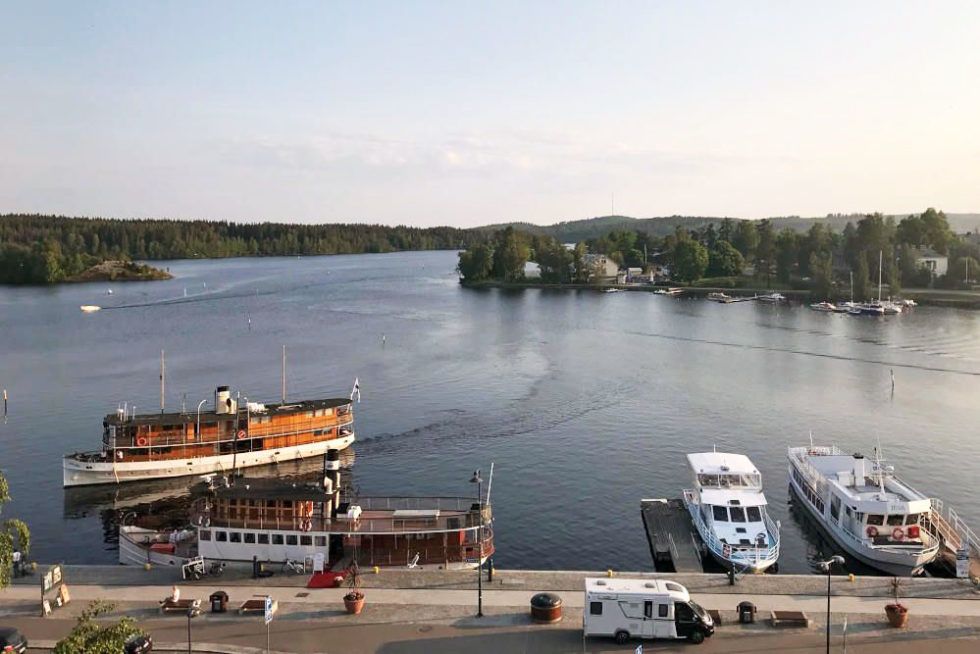
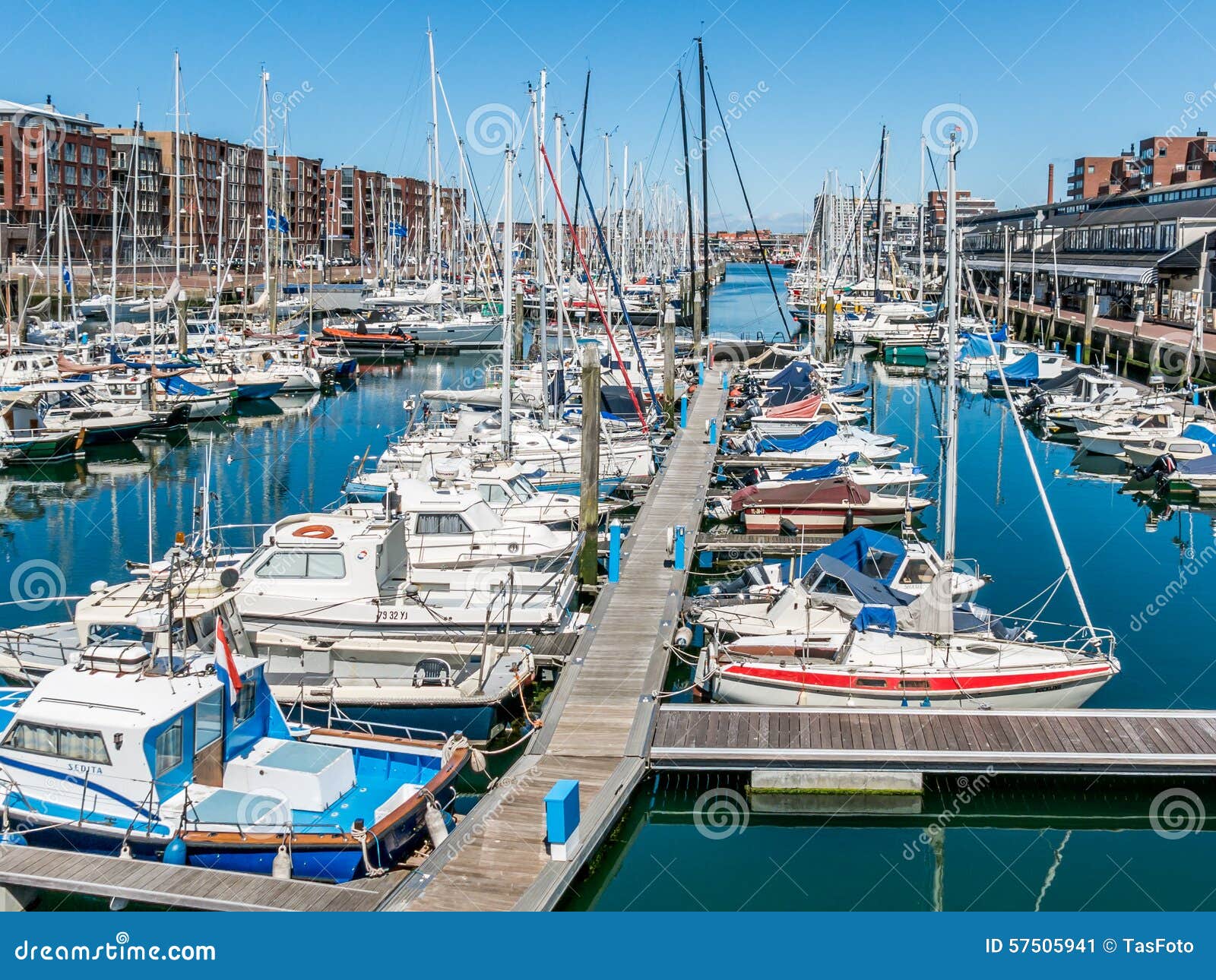
Schengen Pier, nestled in the heart of the tri-border region where Luxembourg meets Germany and France, serves as a vital maritime facility and a symbolic landmark of European integration. While Luxembourg is landlocked, the Moselle River, on which Schengen sits, provides crucial navigable waterway access. The pier primarily accommodates recreational vessels, including private yachts, smaller motorboats, and sailing boats, catering to both local enthusiasts and international tourists exploring the Moselle. Limited commercial traffic, such as smaller cargo barges transporting regional goods, may also utilize the pier facilities.
Historically, the Moselle has been a significant trade route since Roman times, and Schengen's location at a key river junction has always held strategic importance. The modern Schengen Pier, however, gained prominence following the signing of the Schengen Agreement in 1985 aboard the Princess Marie-Astrid, a river cruise ship moored nearby. This agreement, abolishing border controls between signatory nations, transformed Schengen into a symbol of open borders and European unity.
Today, Schengen Pier's tourism significance is inextricably linked to this historical event. Visitors flock to the area to learn about the Schengen Agreement, visit the European Museum, and enjoy the picturesque riverside setting. The pier itself serves as a point of embarkation for river cruises and boat tours, allowing tourists to experience the beauty of the Moselle Valley and appreciate the symbolic importance of this pivotal location in European history. The presence of the pier enhances the visitor experience, providing a tangible connection to the region's maritime past and its role in shaping modern Europe.