Loader
Loader
  • Boat Market - Buy a Boat | Sell a Boat

Follow us:

Worldwide Ports Directory

Technical specifications and contact details for global maritime hubs and commercial ports.

Reset
Port
Virtsu Harbour
Virtsu, ESTONIA
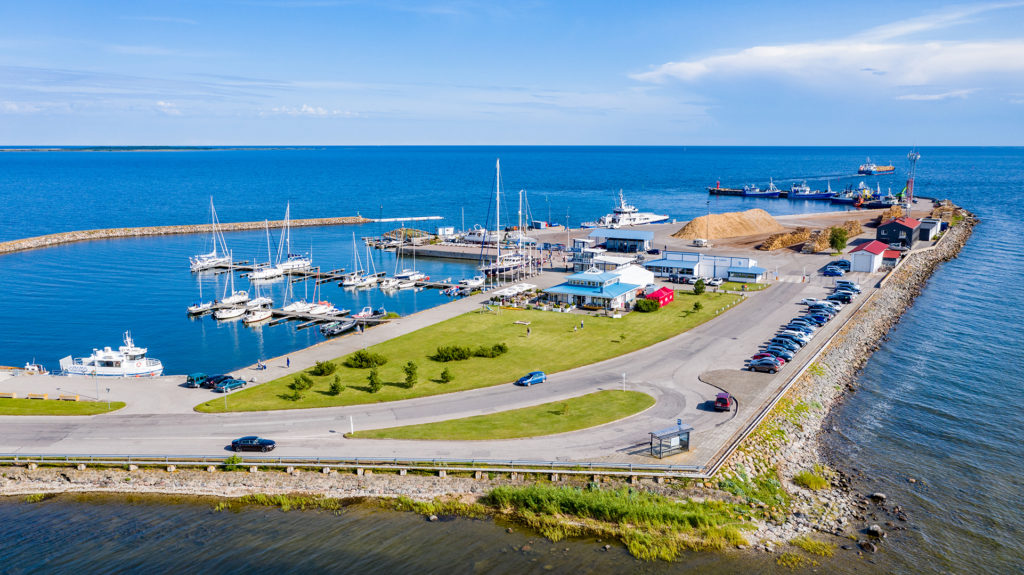
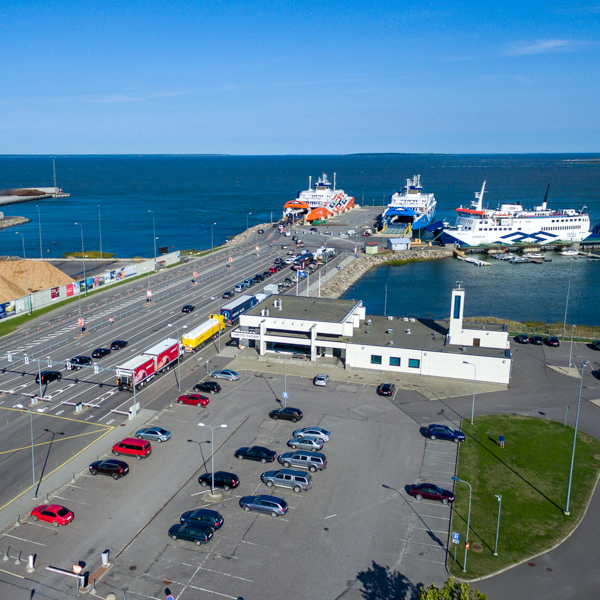
Virtsu Harbour, nestled on the western coast of Estonia, serves as a vital maritime link and a testament to the region's rich seafaring history. Historically, Virtsu has been a crucial point connecting mainland Estonia to the islands, particularly Muhu and Saaremaa. Its strategic location has made it a significant port for centuries, witnessing trade, transportation, and even military activity throughout various periods of Estonian history. Today, Virtsu Harbour primarily functions as a ferry port, facilitating regular passenger and vehicle transport to and from the islands. The harbor accommodates a mix of vessels, primarily ferries designed for short-sea crossings. While not a major hub for large commercial ships, Virtsu also welcomes smaller fishing boats and recreational craft, including yachts and sailboats, contributing to local fishing activities and tourism. The harbor's tourism significance stems from its role as a gateway to the popular islands. Visitors passing through Virtsu gain their first glimpse of the Estonian archipelago, often using it as a starting point for exploring the unique culture, nature, and historical sites of Muhu and Saaremaa. The harbor area itself offers basic amenities for travelers, including waiting areas, cafes, and parking, further enhancing its role in supporting regional tourism. Its continued operation ensures the accessibility and economic vitality of the surrounding island communities.
VHF: 14
Port
Virtsu Marina
Virtsu, ESTONIA
Virtsu Marina, nestled on Estonia's western coast, serves as a vital maritime hub with a rich history intertwined with the region's seafaring traditions. Its strategic location, acting as a gateway to the islands of Muhu and Saaremaa, has cemented its importance for both local communities and travelers. Historically, Virtsu was a significant port for trade and passenger transport, with evidence of maritime activity dating back centuries. The modern marina builds upon this legacy, offering updated facilities for a variety of vessels. Today, Virtsu Marina caters primarily to recreational boating, accommodating yachts, sailboats, and smaller motorboats. Its infrastructure includes berths with essential services like electricity and water, fueling stations, and repair facilities, making it a convenient stopover for those exploring the Baltic Sea. While not designed for large commercial vessels, the marina supports local fishing boats and smaller passenger ferries that maintain crucial connections to the nearby islands. The marina's tourism significance is considerable. It serves as a starting point for island hopping adventures, attracting visitors eager to experience the unique culture and natural beauty of the Estonian archipelago. The presence of the marina has spurred the development of local tourism infrastructure, including restaurants, guesthouses, and shops, contributing to the economic vitality of Virtsu and the surrounding area. Its role in facilitating access to the islands ensures Virtsu remains a key destination for maritime tourism in Estonia.
VHF: 10
Port
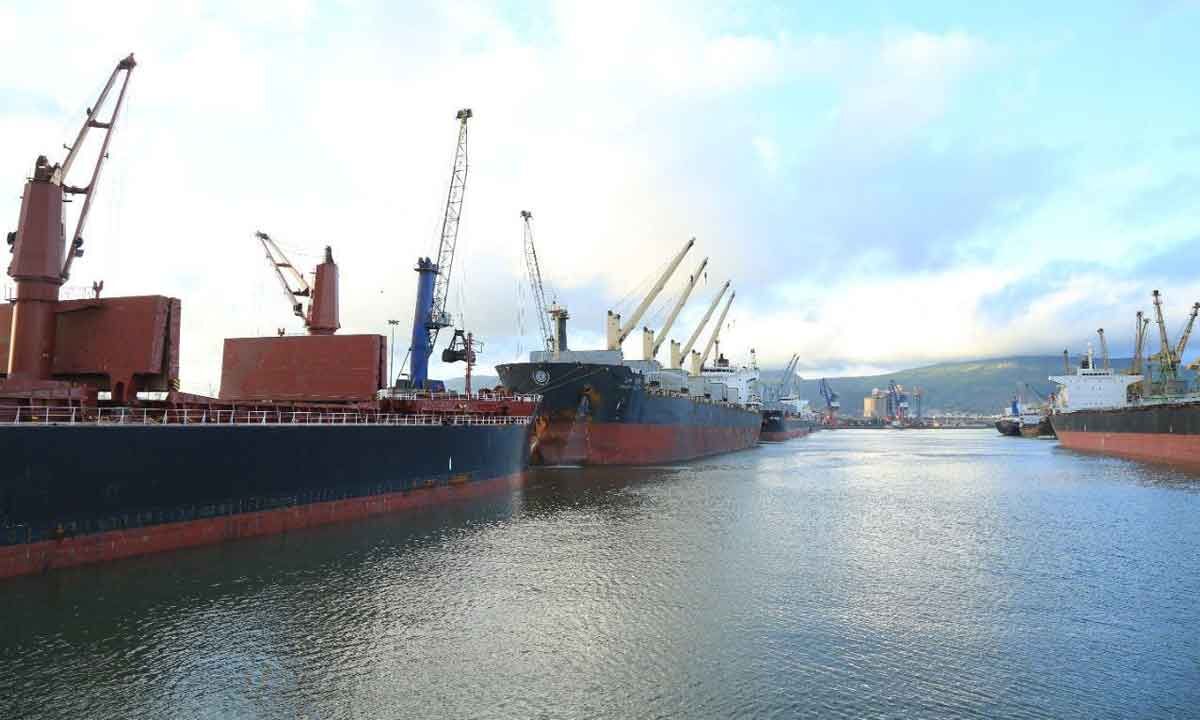
Visakhapatnam Port Authority
Visakhapatnam, INDIA
VHF: Ch 16
Port
Visby Guest Harbour
Gotland, SWEDEN
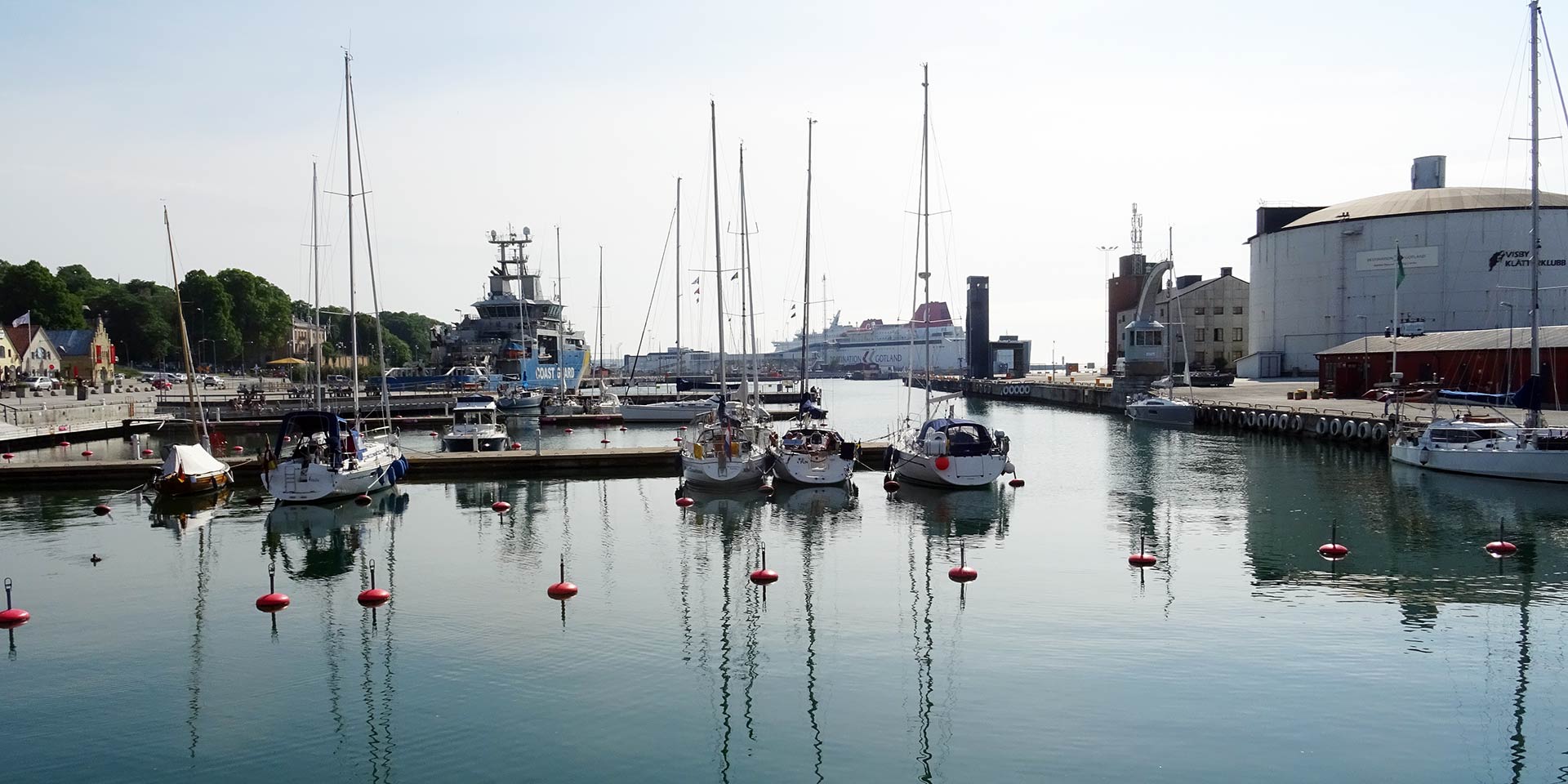
Visby Guest Harbour, nestled within the UNESCO World Heritage city of Visby on the island of Gotland, Sweden, stands as a vital maritime hub steeped in history and catering to a diverse range of vessels. Its strategic location along the Baltic Sea has made it a significant port of call for centuries, witnessing the ebb and flow of trade, naval activity, and now, leisure tourism. The harbour's history is intertwined with Visby's rise as a major Hanseatic League trading center, with its quays once bustling with cargo ships laden with goods from across Europe. Today, Visby Guest Harbour primarily accommodates recreational vessels, welcoming yachts of varying sizes, sailing boats, and motorboats. The modern facilities cater to the needs of visiting boaters, offering amenities such as electricity, water, waste disposal, showers, and laundry services. While primarily focused on leisure craft, the harbour can also accommodate smaller commercial vessels and ferries on occasion. The harbour's tourism significance is undeniable, serving as a gateway for visitors arriving by sea to explore Visby's medieval city walls, historic churches, and charming cobblestone streets. The proximity to the city center allows easy access to restaurants, shops, and cultural attractions, making it a popular destination for those seeking a unique blend of maritime adventure and historical immersion. The harbour contributes significantly to Gotland's tourism economy, attracting boaters from across the Baltic region and beyond.
VHF: 12
Port
Vista Mar Golf & Beach Resort
San Carlos, PANAMA
VHF: Ch 16
Port
Vista Mar Marina
San Carlos, PANAMA
VHF: Ch 16
Port
Vlaamse Yachthaven Nieuwpoort (VVW)
Nieuwpoort, BELGIUM
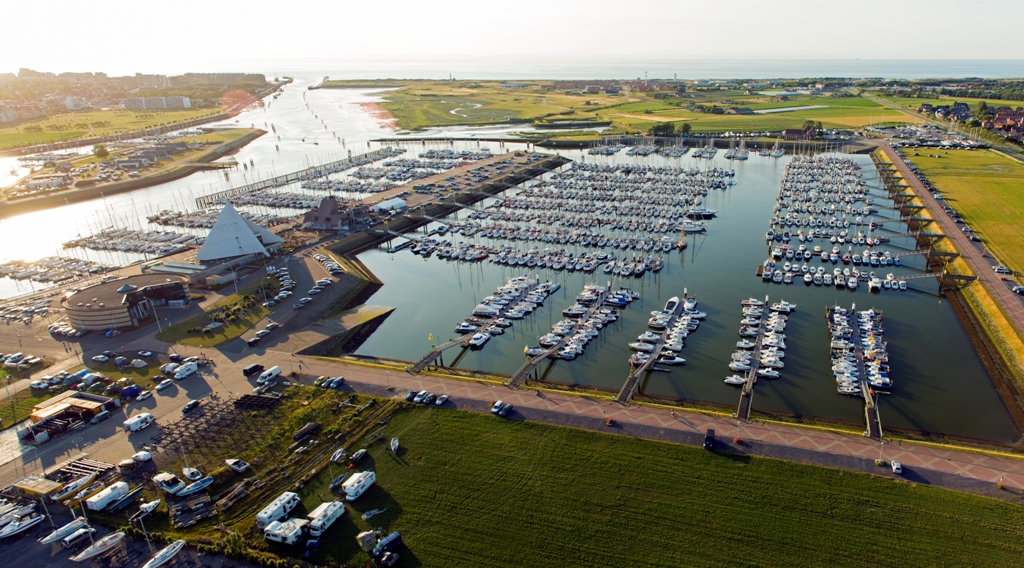
Vlaamse Yachthaven Nieuwpoort (VVW), situated in the historic port city of Nieuwpoort, Belgium, is a significant maritime facility steeped in both history and modern-day tourism. Nieuwpoort's maritime past stretches back centuries, playing a crucial role in regional trade and naval activities. The VVW marina, a modern iteration of this legacy, provides berths and services for a diverse range of vessels, primarily catering to recreational yachts and sailing boats. Its infrastructure is designed to accommodate both smaller pleasure craft and larger sailing yachts, making it a popular destination for both local and international boating enthusiasts. The marina's location near the mouth of the Yser River offers convenient access to the North Sea, making it an ideal starting point for coastal cruises and longer voyages. Beyond its practical facilities, VVW contributes significantly to Nieuwpoort's tourism appeal. The marina attracts visitors who appreciate the maritime atmosphere, offering opportunities for sailing, fishing, and watersports. The surrounding area boasts a range of amenities, including restaurants, shops, and accommodation, further enhancing its appeal as a tourist destination. The presence of the marina also supports local businesses catering to the boating community, contributing to the economic vitality of Nieuwpoort. The marina serves as a focal point for maritime events and activities, further solidifying its position as a key element of Nieuwpoort's identity as a coastal tourism hub.
VHF: 69
Port
Vlietland Marina
Voorschoten, NETHERLANDS
Vlietland Marina, situated in Voorschoten, Netherlands, is a modern recreational boating facility built on the periphery of the Vlietland recreation area. While not steeped in centuries of maritime history like some Dutch harbors, its significance lies in its contribution to contemporary water-based tourism and leisure. The marina caters primarily to recreational vessels, accommodating a wide range of yachts, sailboats, and motorboats. Its design prioritizes accessibility and user-friendliness, offering a full suite of amenities for boat owners and visitors, including mooring facilities, sanitation services, and boat maintenance support. The area surrounding Vlietland has a history connected to peat extraction and land reclamation, shaping the landscape into the interconnected waterways that define the region today. Although the marina itself is a relatively recent development, it builds on the long-standing Dutch tradition of water management and navigation. The marina's location within the Vlietland recreation area enhances its appeal, offering opportunities for cycling, hiking, and other outdoor activities alongside boating. Vlietland Marina plays a vital role in the local tourism economy, attracting both domestic and international visitors seeking to explore the waterways of South Holland. It serves as a convenient base for exploring nearby cities like Leiden and The Hague by boat, contributing to the region's reputation as a premier destination for water sports and leisure. The marina's modern facilities and strategic location make it a key component of the Dutch recreational boating infrastructure.
VHF: 16
Port
Vlychada Marina
Santorini, GREECE
Vlychada Marina, nestled on the southern coast of Santorini, Greece, represents a modern maritime facility steeped in the island's rich nautical history. While Santorini is renowned for its ancient Minoan past and volcanic landscapes, Vlychada offers a contemporary perspective on the island's enduring relationship with the sea. Originally a small fishing harbor, the marina has been developed to accommodate a diverse range of vessels, primarily catering to the yachting community. Its berths can host both private yachts and charter vessels, contributing significantly to Santorini's luxury tourism sector. The marina's design blends seamlessly with the unique Santorinian architecture, incorporating local materials and aesthetics. Beyond its functional role, Vlychada serves as a gateway for exploring the island's stunning coastline and nearby Cycladic islands. Excursions to the volcanic caldera, secluded beaches, and neighboring islands frequently depart from its docks. Historically, the area around Vlychada was crucial for local fishermen, and the marina's presence continues to support small-scale fishing activities alongside the burgeoning yacht tourism. The marina's development has spurred the growth of related businesses, including restaurants, shops, and boat maintenance services, further enhancing its economic and touristic significance. Vlychada Marina stands as a testament to Santorini's ability to balance its historical maritime heritage with the demands of modern tourism, offering a sophisticated and accessible point of entry to the Aegean Sea.
VHF: 12
Port
Vodny Stadion Marina
Moscow, RUSSIAN FEDERATION
Vodny Stadion Marina, nestled on the Khimki Reservoir in Moscow, represents a significant intersection of maritime history, recreational boating, and modern tourism. The reservoir itself, an integral part of the Moscow Canal system completed in the 1930s, dramatically altered the city's relationship with water transport, connecting it to the Volga River and, ultimately, the seas. The marina emerged as a key facility within this new infrastructure, initially serving both commercial and recreational needs. Historically, Vodny Stadion played a role in facilitating cargo transport and passenger services along the canal. Over time, its focus shifted towards leisure boating. Today, the marina primarily caters to private yachts and smaller recreational vessels, offering mooring facilities, maintenance services, and support for sailing enthusiasts. Larger commercial vessels are less common, with the marina primarily serving the needs of Moscow's growing yachting community. The marina's tourism significance is considerable. It provides access to the Khimki Reservoir for leisure cruises and water sports, offering stunning views of the Moscow skyline. Its proximity to the Vodny Stadion metro station makes it easily accessible for both locals and tourists. The area surrounding the marina has developed into a vibrant recreational zone, with restaurants, cafes, and parks, further enhancing its appeal as a destination for leisure and relaxation. Vodny Stadion Marina stands as a testament to Moscow's evolving relationship with its waterways, blending historical importance with contemporary recreational opportunities.
VHF: 16
Port
Volgograd River Port
Volgograd, RUSSIAN FEDERATION
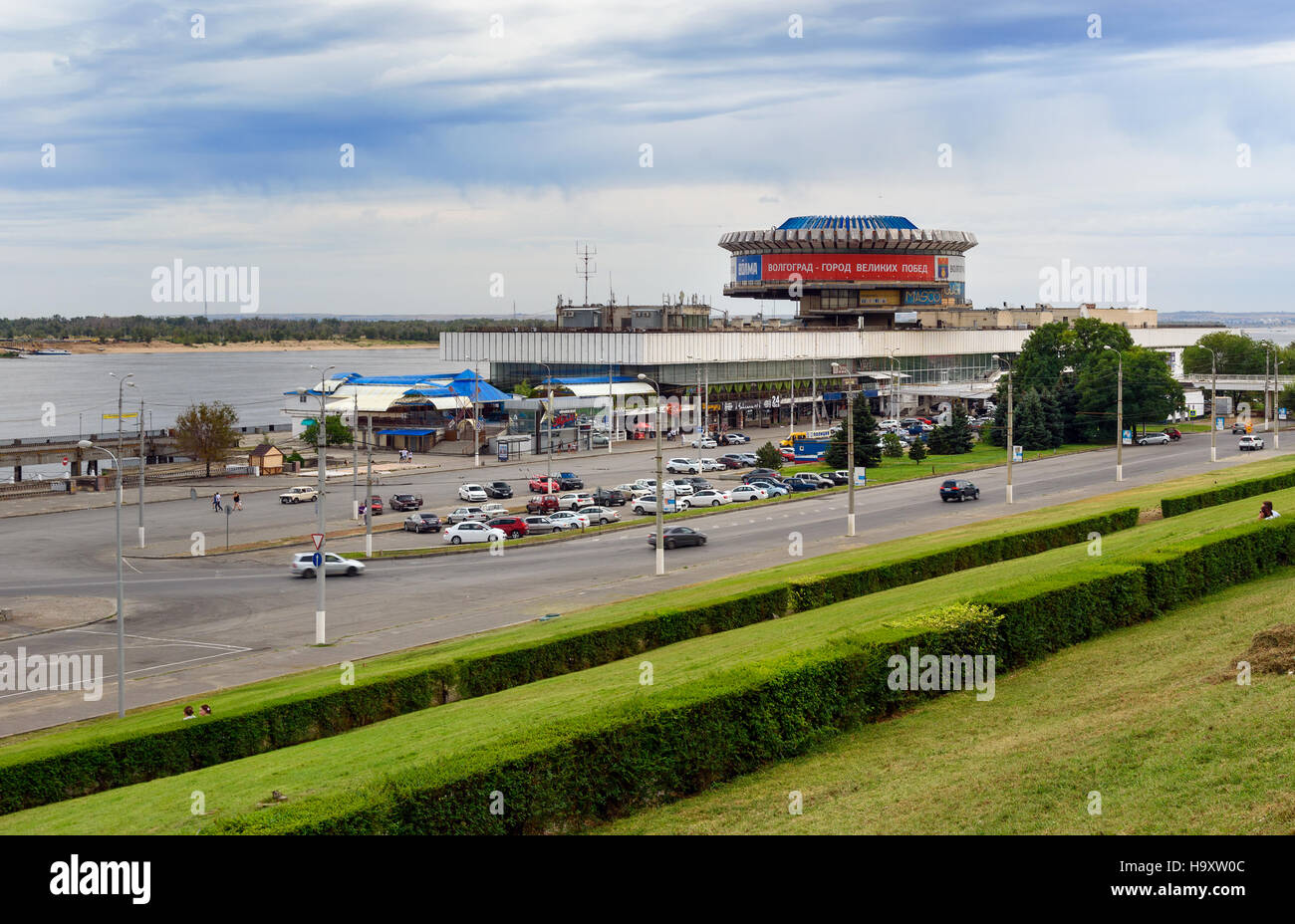
Volgograd River Port, situated on the western bank of the Volga River, serves as a crucial transportation hub and a significant historical and tourist landmark in Volgograd, Russia. Its history is deeply intertwined with the city's development as a major industrial and trading center. The port facilities include extensive cargo handling areas, passenger terminals, and repair docks, catering to a diverse range of vessels. Historically, the port played a vital role in the transportation of goods and people along the Volga, connecting Volgograd to other major cities such as Astrakhan, Kazan, and Nizhny Novgorod. During the Battle of Stalingrad, the port was a strategic point for supplying Soviet troops and evacuating civilians, suffering extensive damage in the process. Post-war reconstruction saw the port rebuilt and modernized, solidifying its position as a key element in the region's economy. Today, Volgograd River Port accommodates a variety of vessels, including large commercial ships carrying grain, oil, and other bulk cargo. Passenger ferries and cruise ships are also frequent visitors, bringing tourists to explore the city's historical sites and enjoy the scenic beauty of the Volga. While the port is primarily focused on commercial shipping, it also provides services for smaller vessels, including yachts and recreational boats. The port’s proximity to significant historical monuments, such as Mamayev Kurgan, enhances its tourism appeal, making it a vital part of Volgograd's cultural and economic landscape.
VHF: 16
Port
Volos Port
Volos, GREECE
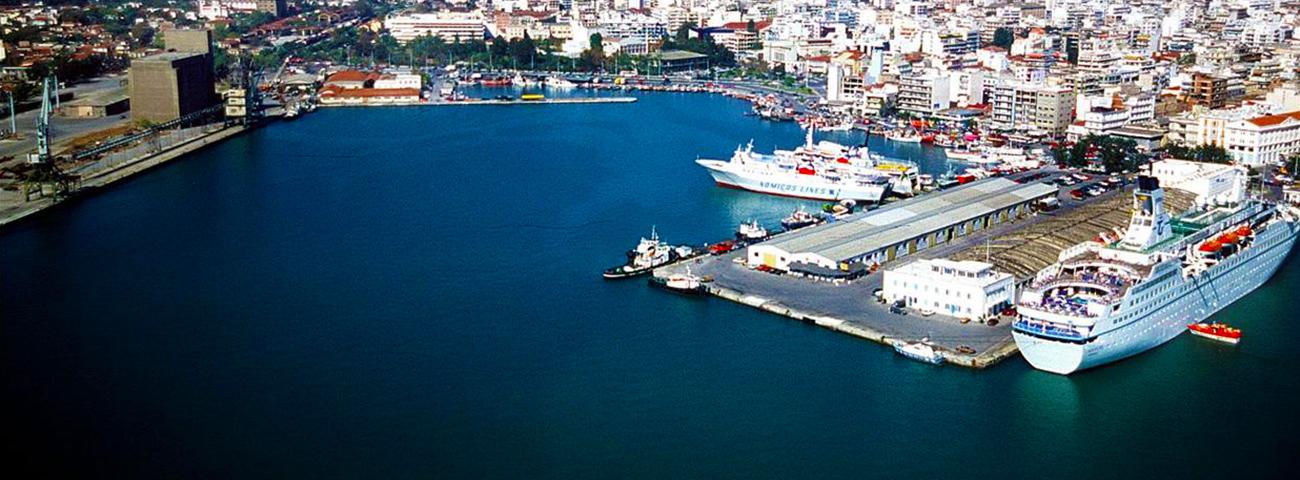
Volos Port, nestled in the Pagasetic Gulf of Thessaly, Greece, boasts a rich maritime history intertwined with regional development. Since antiquity, the area served as a crucial trading hub, connecting Thessaly with the Aegean Sea and beyond. The modern port, significantly expanded in the 20th century, plays a vital role in Greece's economy, facilitating both domestic and international trade. The port accommodates a diverse range of vessels, from large commercial ships transporting goods to smaller fishing boats and luxurious yachts. Its infrastructure includes modern container terminals, dry bulk cargo handling facilities, and dedicated areas for passenger ferries connecting Volos with the Sporades islands. The presence of yacht marinas contributes to the port's appeal as a destination for recreational boating and cruising. Volos Port's strategic location and accessibility have made it a significant tourism gateway. Ferries regularly transport visitors to the popular islands of Skiathos, Skopelos, and Alonissos, boosting the region's tourism sector. The port's proximity to historical sites, such as ancient Iolcos, and the natural beauty of Mount Pelion further enhances its appeal to tourists. Furthermore, the waterfront area surrounding the port has been revitalized with restaurants, cafes, and shops, creating a vibrant atmosphere for both locals and visitors. The port's ongoing development aims to balance its commercial function with its growing importance as a tourist destination, ensuring its continued contribution to the region's economy and cultural heritage.
VHF: 12