Loader
Loader
  • Boat Market - Buy a Boat | Sell a Boat

Follow us:

Worldwide Ports Directory

Technical specifications and contact details for global maritime hubs and commercial ports.

Reset
Port
Club Náutico Río Quequén
Quequén, ARGENTINA
Club Náutico Río Quequén, nestled on the banks of the Quequén Grande River in Quequén, Argentina, stands as a testament to the region's enduring maritime heritage and its evolving relationship with tourism. Founded in the mid-20th century, the club's facilities initially catered to local fishermen and recreational boaters, reflecting the river's historical importance as a vital transportation artery and source of livelihood. Over time, the club expanded to include moorings, repair workshops, and social spaces, solidifying its role as a central hub for the maritime community. Historically, the Quequén Grande River served as a crucial link for agricultural exports from the surrounding Pampas region, with smaller vessels navigating its waters to connect with larger ships anchored offshore. The club's existence is intertwined with this history, preserving the memory of a time when the river was a bustling commercial waterway. Today, Club Náutico Río Quequén plays a significant role in the local tourism industry. It offers opportunities for sailing, kayaking, and fishing, attracting both domestic and international visitors seeking to experience the natural beauty of the river and its surrounding landscape. The club also hosts regattas and nautical events, further promoting the region as a destination for water sports enthusiasts. Its restaurant and social areas provide a welcoming space for visitors to relax and enjoy the riverside atmosphere, contributing to the overall appeal of Quequén as a coastal tourist destination.
VHF: N/A
Port
Club Náutico Río Turbio
Río Turbio, ARGENTINA
Club Náutico Río Turbio, nestled in the Patagonian heartland of Argentina, presents a unique maritime story despite its inland location. While not directly on the ocean, the club's history is intertwined with the Río Turbio's role as a vital transportation artery and the region's coal mining industry. Founded in the mid-20th century, the club initially served as a recreational outlet for miners and their families, offering boating and fishing opportunities on the river. Its facilities, though modest, reflect the resourcefulness of the community, with small docks, boat ramps, and a clubhouse that served as a social hub. The club's historical significance lies in its connection to the broader narrative of Río Turbio's development. As the coal industry flourished, the river facilitated the transport of goods and people, and the club provided a space for leisure and community building amidst the harsh Patagonian environment. Today, Club Náutico Río Turbio plays a crucial role in the town's tourism sector. It offers visitors a glimpse into the region's past and provides opportunities for recreational activities such as kayaking, fishing, and birdwatching. The club's location offers stunning views of the surrounding landscape, attracting nature enthusiasts and those seeking a tranquil escape. While not a traditional maritime destination, Club Náutico Río Turbio offers a compelling example of how maritime activities can shape community identity and contribute to tourism even in unexpected inland settings.
VHF: Ch 16
Port
Club Náutico Salta
Salta, ARGENTINA
Club Náutico Salta, despite Salta's landlocked location in northwestern Argentina, represents a fascinating intersection of maritime aspiration and regional identity. Founded in the mid-20th century, the club's history is inextricably linked to the artificial Cabra Corral Reservoir, a significant hydroelectric project that transformed the landscape and created a unique opportunity for water sports. While lacking a true maritime heritage in the oceanic sense, the club fostered a vibrant community centered around sailing, rowing, and other aquatic activities. The club's facilities, though modest compared to coastal yacht clubs, provide essential infrastructure for its members. These typically include boat ramps, docks, storage areas, and a clubhouse offering social spaces and basic amenities. The club's significance lies not in grand architecture but in its role as a recreational hub, offering a taste of maritime culture in an unexpected setting. From a tourism perspective, Club Náutico Salta contributes to the diversification of Salta's appeal. While the region is renowned for its Andean landscapes, colonial architecture, and gaucho traditions, the club offers a contrasting experience. It attracts both local residents and tourists seeking water-based recreation, contributing to the local economy through membership fees, equipment rentals, and related services. The club also hosts regattas and other events, further enhancing its visibility and attracting visitors to the Cabra Corral Reservoir. It serves as a testament to human ingenuity and the enduring allure of maritime pursuits, even far from the sea.
VHF: Ch 16
Port
Club Náutico Salto
Salto, ARGENTINA
VHF: Ch 16
Port
Club Náutico Salto Grande
Salto Grande, ARGENTINA
Club Náutico Salto Grande, nestled on the shores of the Salto Grande Reservoir in Argentina, stands as a testament to the region's rich maritime history and burgeoning tourism sector. Established in the wake of the Salto Grande Dam's construction, the club's facilities have evolved from a modest collection of docks to a comprehensive maritime hub. Its history is intertwined with the dam's impact, transforming the landscape and creating a vast inland waterway ideal for recreational boating and fishing. The club's significance extends beyond mere recreation. It serves as a vital link to the region's past, preserving traditional boatbuilding techniques and maritime skills. The club actively promotes nautical sports, fostering a community of sailors, anglers, and water sports enthusiasts. Its facilities include modern marinas, repair workshops, and training centers, catering to both local residents and international visitors. Tourism plays a crucial role in the club's ongoing development. The Salto Grande Reservoir, enhanced by the club's amenities, attracts tourists seeking water-based activities, scenic cruises, and fishing expeditions. The club also hosts regattas and nautical events, further boosting tourism and showcasing the region's maritime heritage. Club Náutico Salto Grande, therefore, represents a successful blend of historical preservation, recreational opportunity, and economic development, solidifying its position as a key destination within the Salto Grande region.
VHF: Ch 16
Port
Club Náutico San Antonio
San Antonio Oeste, ARGENTINA
Club Náutico San Antonio, nestled on the shores of the San Matías Gulf in San Antonio Oeste, Argentina, represents a vital link to the region's maritime past and a cornerstone of its present-day tourism. Founded in the mid-20th century, the club's history is intertwined with the development of San Antonio Oeste as a key port for the export of agricultural products and later, as a burgeoning tourist destination. Its initial facilities, modest in scale, catered primarily to local fishermen and recreational boaters, reflecting the town's reliance on the sea for sustenance and livelihood. Over the decades, Club Náutico San Antonio has evolved, expanding its infrastructure to accommodate a growing influx of visitors drawn to the area's pristine beaches, abundant marine life, and opportunities for water sports. Today, the club boasts a well-maintained marina, offering mooring facilities for yachts and smaller vessels, alongside amenities such as boat ramps, repair services, and a clubhouse providing social and recreational spaces. The club plays a significant role in promoting nautical tourism, hosting sailing regattas, fishing tournaments, and other maritime events that attract participants and spectators from across Argentina and beyond. Its location provides easy access to the rich biodiversity of the San Matías Gulf, making it a popular base for whale watching excursions, sea kayaking adventures, and sport fishing expeditions. Club Náutico San Antonio stands as a testament to the enduring connection between the community and the sea, fostering both recreational enjoyment and economic growth in the region.
VHF: Ch 16
Port
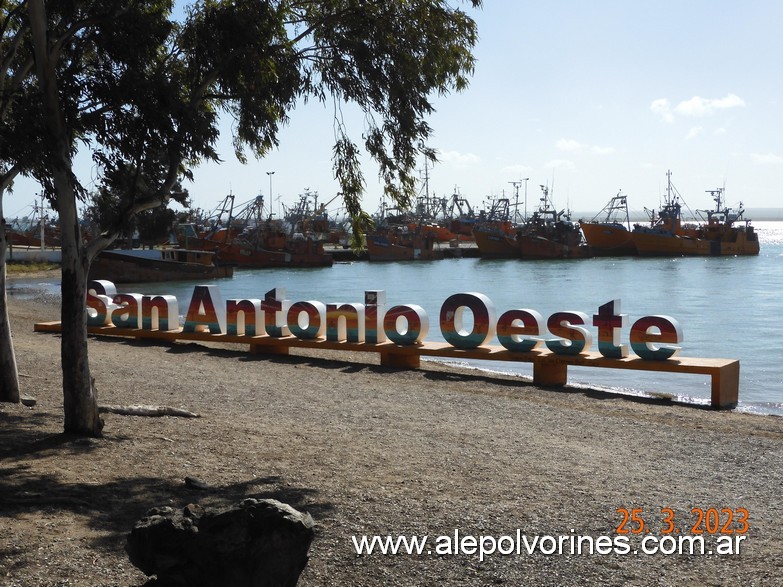
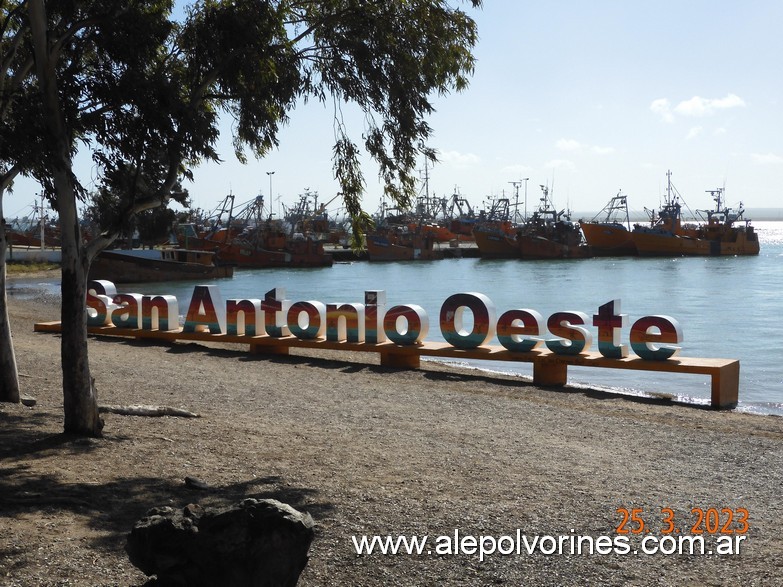
Club Náutico San Antonio Oeste
San Antonio Oeste, ARGENTINA
Club Náutico San Antonio Oeste, nestled on the shores of the San Matías Gulf in Argentina, represents a vital nexus of maritime history, recreational boating, and burgeoning tourism. Established in the mid-20th century, the club's facilities reflect a pragmatic adaptation to the Patagonian coastline, providing sheltered moorings, slipways, and maintenance areas for a diverse fleet of fishing vessels, recreational sailboats, and motorboats. Its history is intertwined with the development of San Antonio Oeste as a key port for the region, initially serving the needs of the local fishing industry and later embracing the growing demand for leisure boating. The club's significance extends beyond its functional role. It serves as a focal point for the local community, hosting regattas, fishing tournaments, and social events that celebrate the maritime heritage of the area. The club actively promotes nautical sports and education, fostering a connection to the sea among younger generations. From a tourism perspective, Club Náutico San Antonio Oeste is increasingly important. It offers opportunities for visitors to experience the unique coastal environment, whether through sailing excursions, fishing charters, or simply enjoying the panoramic views of the gulf. The club's presence enhances the appeal of San Antonio Oeste as a destination for those seeking authentic Patagonian experiences, contributing to the economic growth of the region while preserving its maritime traditions. Its ongoing development and modernization are crucial for sustaining its role as a gateway to the San Matías Gulf and a custodian of its nautical legacy.
VHF: Ch 16
Port
Club Náutico San Bernardo
San Bernardo, ARGENTINA
Club Náutico San Bernardo, nestled on the Atlantic coast of Argentina, stands as a testament to the enduring relationship between the community and the sea. Founded in the mid-20th century, the club's maritime facilities have historically served as a vital hub for recreational boating, fishing, and sailing. Its initial infrastructure, modest in scale, catered primarily to local enthusiasts, fostering a strong maritime culture within San Bernardo. Over the decades, the club expanded, adding berths, repair facilities, and social spaces, reflecting the town's growth and increasing interest in nautical activities. Historically, Club Náutico San Bernardo played a crucial role in promoting maritime sports and education in the region. Sailing regattas and fishing tournaments became regular events, attracting participants from across the province and contributing to the local economy. The club also served as a training ground for aspiring sailors and fishermen, passing on valuable skills and knowledge to younger generations. Today, Club Náutico San Bernardo holds significant tourism value. Its well-maintained facilities and strategic location attract both domestic and international visitors seeking authentic maritime experiences. The club offers opportunities for boat rentals, fishing charters, and sailing excursions, allowing tourists to explore the coastline and enjoy the natural beauty of the Atlantic Ocean. Furthermore, the club's restaurant and social areas provide a welcoming space for visitors to relax and enjoy the coastal atmosphere, solidifying its position as a key attraction in San Bernardo's tourism landscape.
VHF: Ch 16
Port
Club Náutico San Carlos
San Carlos de Bariloche, ARGENTINA
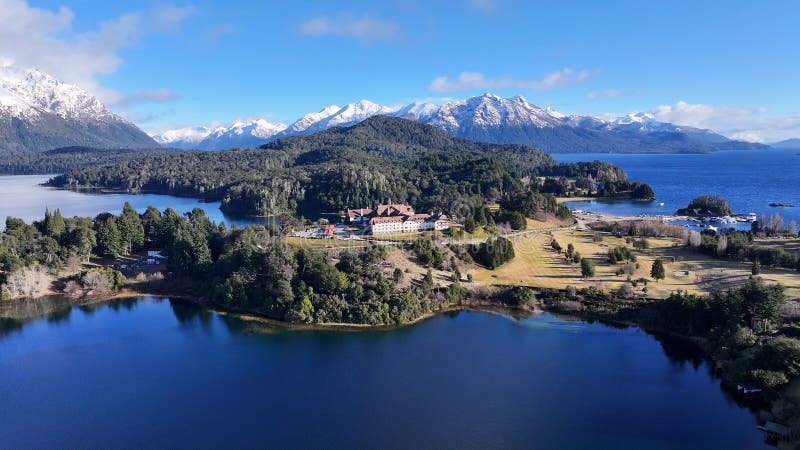
Club Náutico San Carlos, nestled on the shores of Nahuel Huapi Lake in San Carlos de Bariloche, Argentina, stands as a testament to the region's rich maritime history and its enduring connection to the water. Founded in the early 20th century, the club emerged alongside the burgeoning tourism industry, catering to both local residents and visitors drawn to the stunning Patagonian landscape. Its initial purpose was to foster sailing and boating activities, providing a safe harbor and social hub for enthusiasts. Over the decades, Club Náutico San Carlos has evolved into a vital maritime facility, offering a range of services including moorings, boat rentals, sailing courses, and regatta organization. Its infrastructure, while modernized, retains elements of its historical charm, reflecting the architectural styles prevalent during Bariloche's early development. The club has played a significant role in promoting nautical sports and recreation, contributing to the region's identity as a premier destination for water-based activities. Today, Club Náutico San Carlos remains a key attraction for tourists seeking to experience the beauty of Nahuel Huapi Lake. Visitors can enjoy sailing, kayaking, windsurfing, or simply relax by the waterfront, taking in the breathtaking views of the surrounding mountains. The club's restaurant and social areas provide a welcoming atmosphere, further enhancing its appeal as a place to connect with the local community and appreciate the maritime heritage of Bariloche. Its continued presence ensures the preservation of this important aspect of the region's cultural and recreational landscape.
VHF: Ch 16
Port
Club Náutico San Clemente del Tuyú
San Clemente del Tuyú, ARGENTINA
Club Náutico San Clemente del Tuyú, situated in the coastal town of San Clemente del Tuyú, Argentina, holds a significant place in the region's maritime history and contemporary tourism. Established to foster nautical sports and recreation, the club's facilities have evolved from modest beginnings to include a well-maintained harbor, boat ramps, mooring spaces, and support services for vessels of varying sizes. Historically, the club played a crucial role in developing maritime activities along this stretch of the Atlantic coast, promoting sailing, fishing, and other water-based pursuits. It served as a hub for local fishermen and recreational boaters, contributing to the economic and social fabric of the community. Today, Club Náutico San Clemente del Tuyú is a vital component of the town's tourism infrastructure. It attracts visitors interested in boating, fishing excursions, and enjoying the coastal environment. The club often hosts regattas and nautical events, drawing participants and spectators alike. Its location provides easy access to the open sea and the nearby Bahía Samborombón, a Ramsar site known for its rich biodiversity. The club's presence enhances the appeal of San Clemente del Tuyú as a destination for nautical tourism, offering opportunities for both seasoned sailors and those seeking to experience the maritime environment for the first time. The club's ongoing development and commitment to maritime activities ensure its continued importance to the region's tourism sector and maritime heritage.
VHF: Ch 16
Port
Club Náutico San Fernando
San Fernando, ARGENTINA
Club Náutico San Fernando, nestled on the Paraná Delta near Buenos Aires, Argentina, stands as a pivotal maritime institution with a rich history deeply intertwined with the nation's nautical development. Founded in the early 20th century, the club has served as a vital hub for recreational boating, competitive sailing, and maritime education. Its extensive facilities, including multiple docks, repair yards, and sailing schools, cater to a diverse range of nautical activities, from leisurely cruises through the delta's intricate waterways to rigorous training for national and international regattas. Historically, Club Náutico San Fernando played a crucial role in promoting Argentine yachting and maritime sports. It has hosted numerous prestigious sailing competitions, fostering a strong tradition of competitive sailing and producing accomplished sailors who have represented Argentina on the global stage. The club's archives hold a valuable collection of historical documents, photographs, and artifacts that illuminate the evolution of Argentine maritime culture and the development of yachting in the region. Today, Club Náutico San Fernando is a significant tourism destination, attracting both local and international visitors. Its strategic location provides easy access to the Paraná Delta's stunning natural beauty, offering opportunities for boating excursions, fishing trips, and exploration of the unique ecosystem. The club's restaurant and social facilities provide a welcoming atmosphere for visitors to relax and enjoy the waterfront views, contributing to the region's vibrant tourism sector and solidifying its position as a premier maritime destination in Argentina.
VHF: Ch 16
Port
Club Náutico San Gregorio
San Gregorio, ARGENTINA
Club Náutico San Gregorio, nestled on the shores of the vast and windswept Laguna Mar Chiquita in Buenos Aires province, Argentina, represents a vital hub for maritime activity and a testament to the region's historical connection to waterborne transport. Founded in the mid-20th century, the club's facilities, though modest, have played a significant role in fostering recreational sailing, fishing, and boating within the local community. Historically, Laguna Mar Chiquita, despite its saline nature, served as a crucial waterway for transporting goods and connecting inland settlements before the advent of extensive road networks. While not a major international port, the lagoon supported local commerce and facilitated the movement of agricultural products. Today, Club Náutico San Gregorio primarily functions as a tourism draw, offering visitors opportunities to experience the unique ecosystem of the lagoon. The club provides launching ramps, mooring facilities, and basic amenities for boaters, attracting both local residents and tourists seeking to explore the lagoon's diverse birdlife and expansive waters. The club's presence contributes to the local economy by supporting tourism-related businesses and promoting the region's natural beauty. Its historical significance lies in its continuation of a long-standing tradition of maritime activity on Laguna Mar Chiquita, albeit now focused on recreation and tourism rather than large-scale commercial transport. The club serves as a reminder of the lagoon's historical importance and its ongoing role in shaping the cultural identity of San Gregorio.
VHF: Ch 16