Azov Port
Azov, RUSSIAN FEDERATION
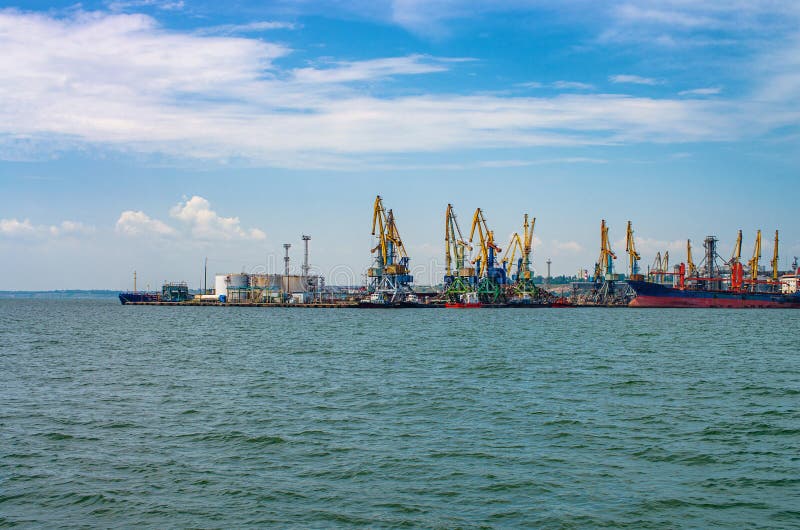
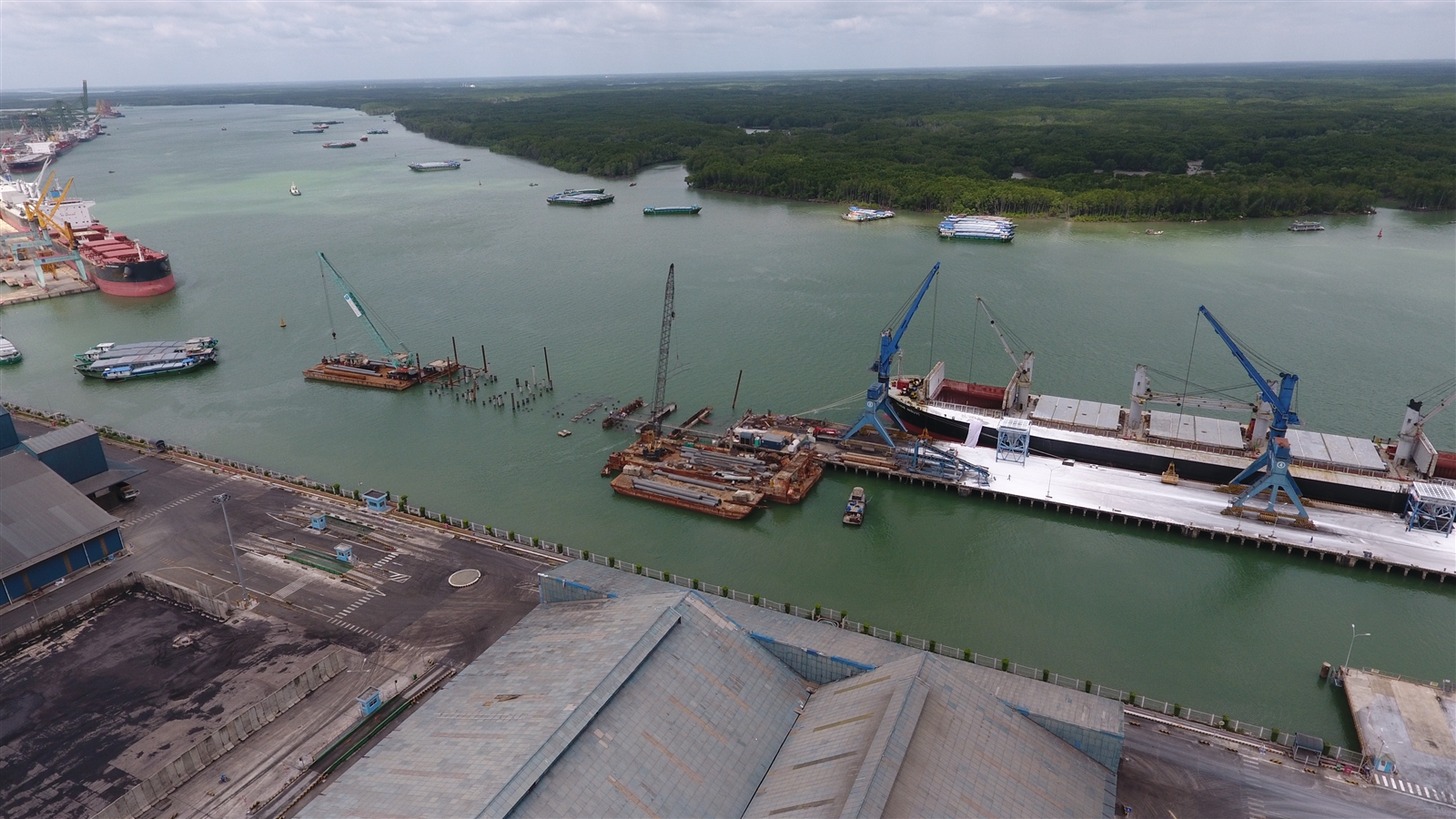
Azov Port, situated at the mouth of the Don River where it empties into the Sea of Azov, possesses a rich maritime history stretching back centuries. Originally a strategic trading post for various empires, including the Genoese and Ottoman, its modern iteration serves as a vital link in Russia's southern transportation network. The port primarily handles cargo vessels, including dry cargo ships, tankers, and barges, facilitating the export of grain, coal, metal, and other raw materials from the Don region and beyond. While not a major hub for luxury yachts or large cruise ships, Azov Port can accommodate smaller recreational vessels and river cruisers navigating the inland waterways.
The port's significance lies in its position as a gateway to the Volga-Don Canal system, connecting the Sea of Azov to the Caspian Sea, and ultimately, the Baltic Sea. This connection allows for the efficient movement of goods across vast distances within Russia and to international markets. Historically, the port played a crucial role in naval conflicts and trade routes, witnessing numerous sieges and shifts in power.
Tourism related to Azov Port is primarily focused on its historical significance and its role in the regional economy. Visitors can explore the Azov History, Archaeology and Paleontology Museum, which showcases the area's maritime past and the port's evolution. While not a typical tourist destination, the port offers insights into the logistical operations of a major inland waterway and the historical context of trade and navigation in the region.