Loader
Loader
  • Boat Market - Buy a Boat | Sell a Boat

Follow us:

Worldwide Ports Directory

Technical specifications and contact details for global maritime hubs and commercial ports.

Reset
Port
Skulte Port
Zvejniekciems, LATVIA
Skulte Port, located in Zvejniekciems, Latvia, is a significant maritime facility with a rich history deeply intertwined with the region's fishing and trade traditions. Originally a modest fishing harbor, Skulte has evolved into a versatile port accommodating a range of vessels, from recreational yachts and sailboats to small and medium-sized commercial ships. Its strategic location on the Gulf of Riga has made it a vital link for coastal shipping and cargo transport, contributing to the economic development of the surrounding area. The port's history reflects the broader maritime heritage of Latvia, with centuries of seafaring and fishing shaping the local culture. While not as extensively documented as some of the larger Latvian ports, Skulte's evolution mirrors the changing needs of the region, adapting from serving primarily local fishermen to handling diverse cargo and catering to the growing yachting community. Today, Skulte Port plays an important role in tourism. Its modern marina facilities attract yacht owners and boating enthusiasts, providing a gateway to explore the scenic Latvian coastline and the wider Baltic Sea. The port's proximity to Zvejniekciems, a charming coastal town, enhances its appeal, offering visitors opportunities to experience local culture, enjoy fresh seafood, and appreciate the region's natural beauty. The blend of commercial activity and recreational boating makes Skulte a dynamic and engaging destination, contributing to the tourism sector of Latvia.
VHF: 12
Port
Skyros Port
Skyros, GREECE
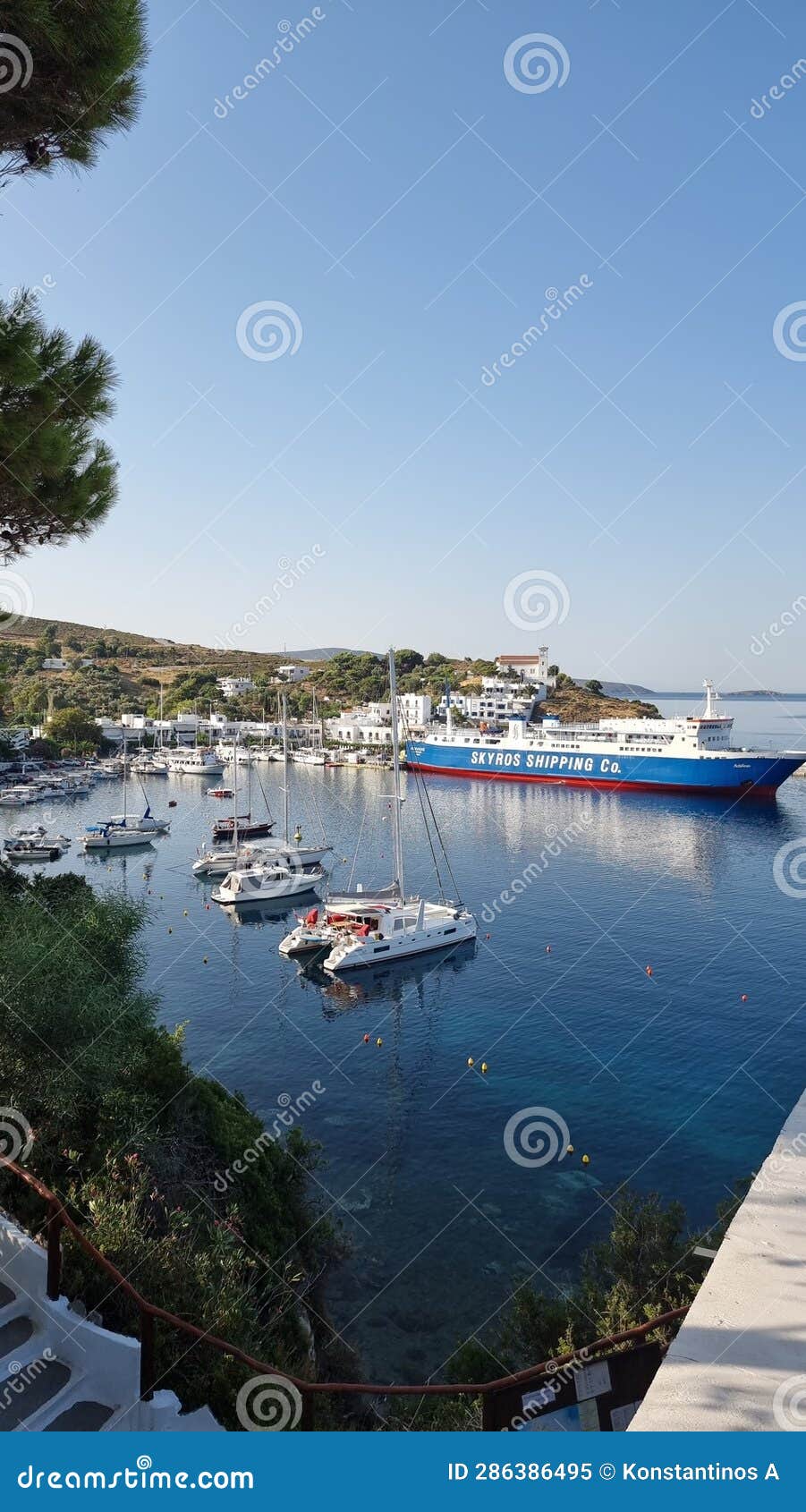
Skyros Port, located on the western coast of the island of Skyros in Greece, serves as the island's primary maritime gateway, connecting it to the mainland and other Aegean islands. Historically, Skyros relied heavily on maritime transport for trade and communication, and the port has evolved from a simple anchorage to a vital transportation hub. While not a major commercial port in the scale of Piraeus or Thessaloniki, Skyros Port plays a crucial role in the island's economy and connectivity. The port primarily accommodates ferries that provide regular passenger and vehicle transport to Kymi on Evia and other islands within the Cyclades. In addition to ferries, the port also welcomes fishing vessels that support the local fishing industry, as well as recreational yachts and smaller sailboats, particularly during the summer months. The harbor offers basic mooring facilities for visiting yachts, contributing to the island's growing tourism sector. The tourism significance of Skyros Port is substantial. It acts as the primary entry point for visitors seeking to explore the island's unique culture, traditional architecture, and natural beauty. The port's proximity to Skyros Town (Chora) makes it convenient for tourists to access accommodations, restaurants, and local attractions. While the port itself is functional rather than ornate, its role in facilitating travel to and from Skyros is essential for the island's economy and cultural exchange. The port's activity, particularly during peak season, contributes to the vibrant atmosphere of the island.
VHF: 12
Port
Skælskør Havn
Skælskør, DENMARK
VHF: Ch 16
Port
Sliema Creek
Sliema, MALTA
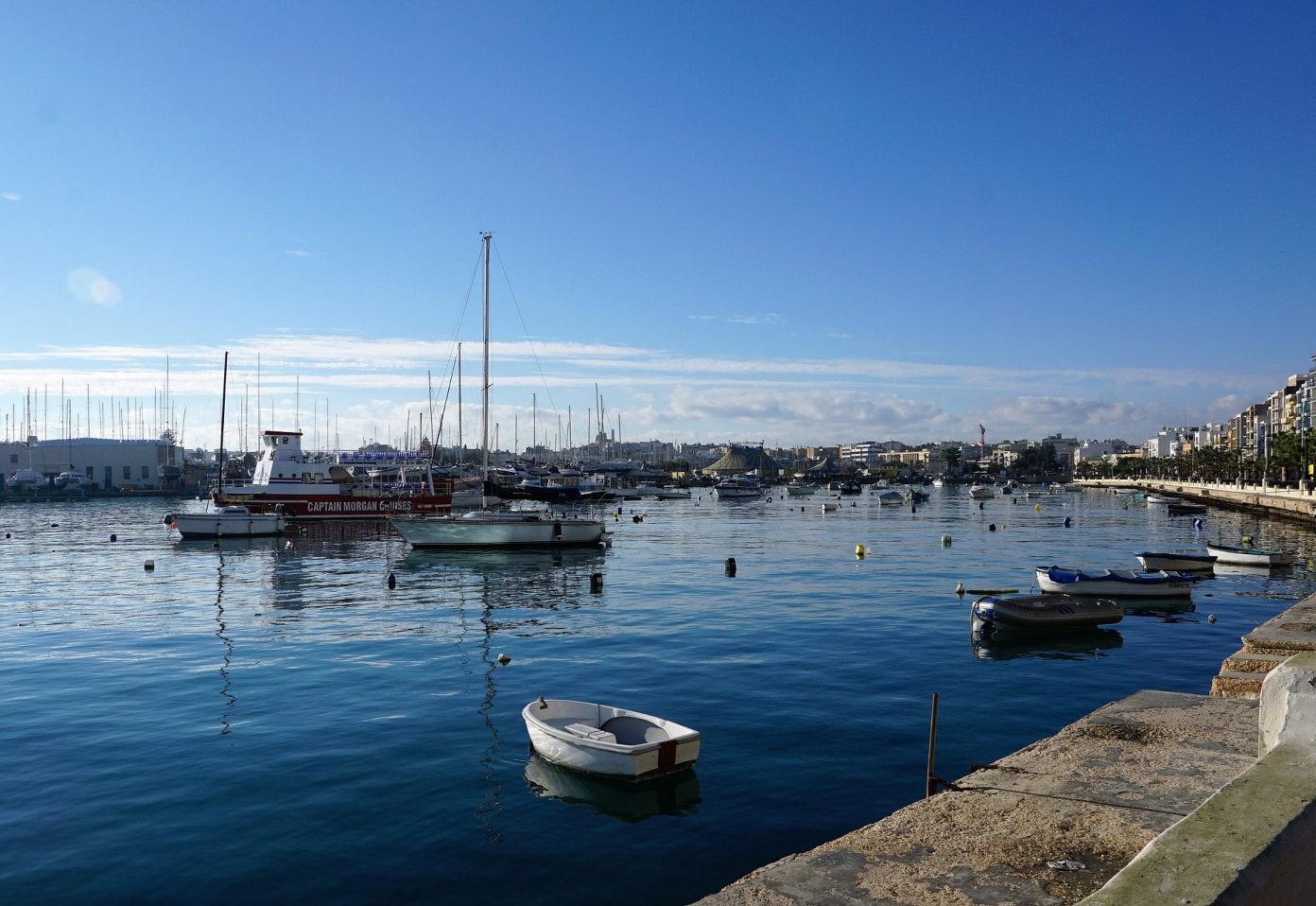
Sliema Creek, nestled on Malta's northeastern coast, represents a historically significant and vibrant maritime hub. Its sheltered waters have served as an anchorage and harbor for centuries, witnessing the ebb and flow of Maltese maritime history. Originally a quieter inlet, Sliema Creek gained prominence alongside the growth of Sliema as a residential and commercial center in the 19th and 20th centuries. Historically, the creek supported local fishing activities and coastal trade. Today, it primarily accommodates recreational vessels, particularly yachts and smaller pleasure craft, contributing significantly to Malta's tourism sector. The creek's quays and marinas offer berthing facilities, repairs, and other marine services, catering to both local and visiting boaters. Ferries also operate from Sliema Creek, providing convenient transport to Valletta and other coastal towns, further enhancing its tourism importance. The creek's picturesque setting, framed by Sliema's skyline and the historic fortifications across the water in Valletta, makes it a popular destination for tourists. Waterfront promenades, cafes, and restaurants line the creek, offering scenic views and contributing to the area's lively atmosphere. The ongoing development of modern marina facilities reflects Sliema Creek's continued role as a key maritime asset and a vital component of Malta's tourism infrastructure.
VHF: 16
Port
Sliema Ferries
Sliema, MALTA
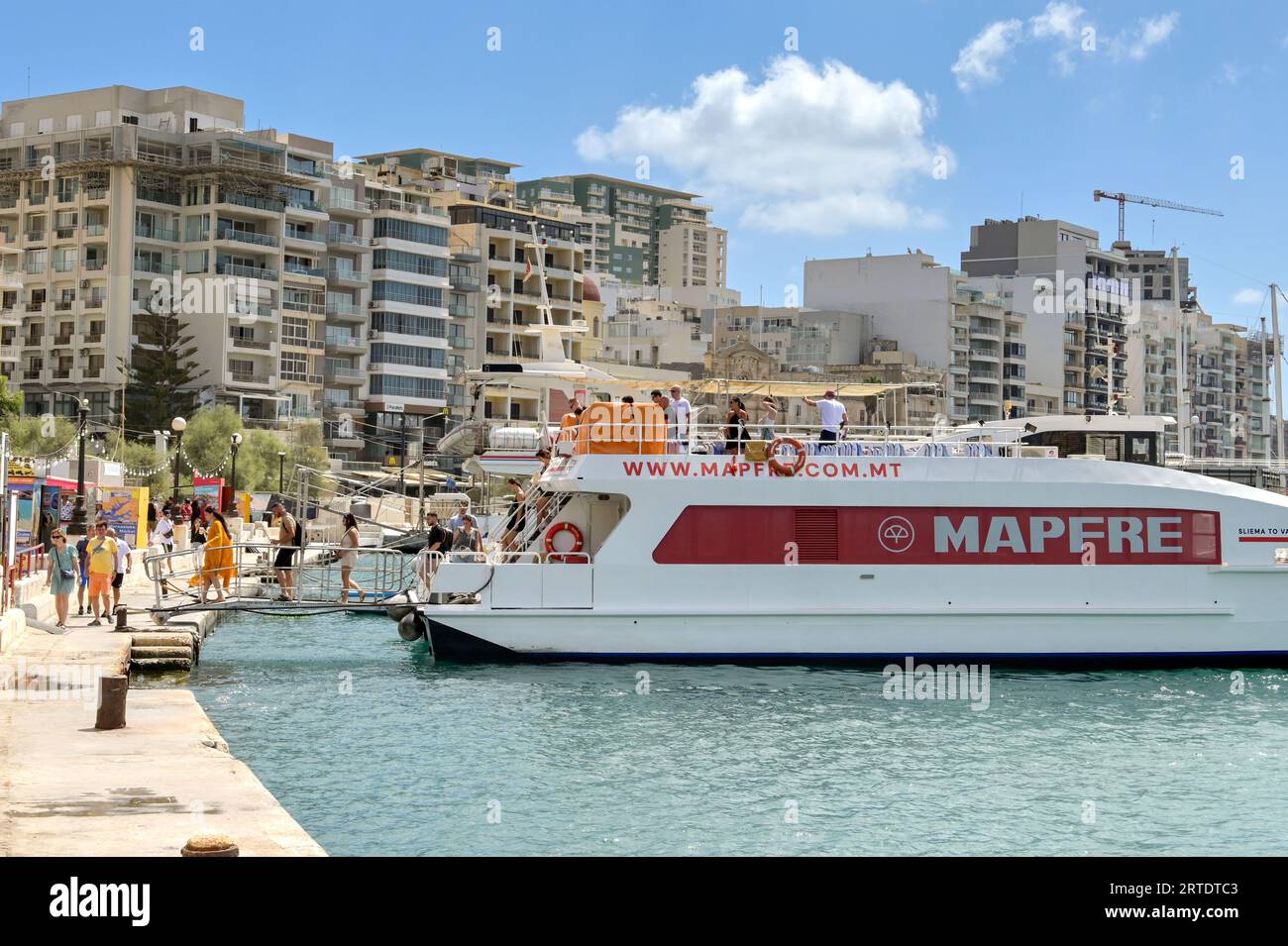
Sliema Ferries, located on the northeastern coast of Malta in the bustling town of Sliema, serves as a vital maritime hub steeped in history and contemporary tourism. Historically, the area functioned as a crucial landing point, facilitating trade and communication between Valletta, the capital city, and the surrounding coastal communities. Its strategic location made it a natural choice for a ferry terminal, evolving over centuries from simple landing stages to a more structured facility. Today, Sliema Ferries accommodates a diverse range of vessels, primarily smaller passenger ferries providing scenic tours of the Maltese coastline, including trips to Comino's Blue Lagoon and the sister island of Gozo. While not designed for large commercial vessels, it can accommodate smaller yachts and fishing boats. The area's significance lies in its role as a key node in Malta's tourism infrastructure. The ferries provide easy access to Valletta's harbor, offering stunning views of the city's fortifications and Grand Harbour. The area surrounding the ferries is a vibrant tourist destination, with numerous shops, restaurants, and hotels catering to the influx of visitors. The history of Sliema Ferries is intrinsically linked to the development of tourism in Malta, evolving from a simple transport link to a central point for exploring the island's maritime heritage and natural beauty. Its ongoing operation ensures its continued importance to Malta's economy and cultural identity.
VHF: 16
Port
Sligo Harbour
Sligo, IRELAND
Sligo Harbour, nestled on the northwest coast of Ireland, boasts a rich maritime history intertwined with trade, emigration, and fishing. Its strategic location at the mouth of the Garavogue River, emptying into Sligo Bay, has made it a vital port for centuries. Originally a medieval trading hub, the harbour witnessed significant growth in the 18th and 19th centuries, facilitating the export of agricultural produce and the import of essential goods. During the Great Famine, Sligo Harbour became a poignant departure point for countless Irish emigrants seeking new lives overseas. Today, Sligo Harbour serves as a mixed-use facility, accommodating a range of vessels. While its commercial activity has diminished compared to its historical peak, it remains an important base for fishing boats and smaller cargo ships. The harbour also welcomes leisure craft, including yachts and pleasure boats, contributing to the region's tourism sector. The scenic beauty of Sligo Bay and the surrounding coastline attracts visitors interested in sailing, fishing, and coastal exploration. The harbour's historical significance is further enhanced by its proximity to sites like Rosses Point, a popular seaside resort with connections to the Yeats family, and the dramatic Benbulben mountain, offering stunning views of the coastline. The ongoing preservation of Sligo Harbour's maritime heritage is crucial for understanding the region's past and promoting sustainable tourism that celebrates its unique coastal identity.
VHF: 12
Port
Slipway at Yacht Haven Grande
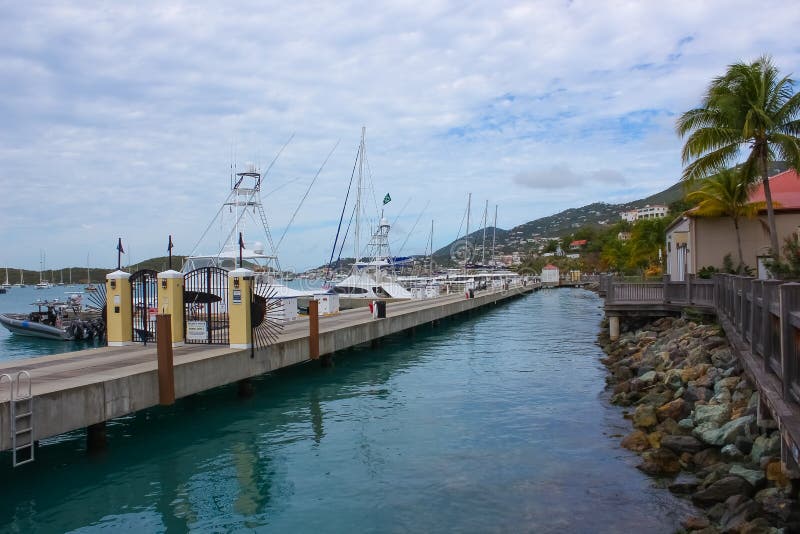
St. Thomas, VIRGIN ISLANDS, U.S.
VHF: Ch 16
Port
Slite Marina
Slite, SWEDEN
VHF: Ch 16
Port
Sloka Marina
Jurmala, LATVIA
Sloka Marina, nestled in the heart of Jurmala, Latvia, represents a modern maritime facility steeped in the region's rich coastal history. Situated on the Lielupe River, a vital waterway connecting to the Baltic Sea, the marina provides a crucial access point for recreational boating and tourism. While Jurmala is primarily known for its sandy beaches and spa culture, Sloka Marina adds a significant maritime dimension to its appeal. The marina caters primarily to leisure craft, accommodating a variety of yachts, sailboats, and motorboats. Its infrastructure includes well-maintained docks, fueling stations, and repair services, ensuring a comfortable and convenient experience for boaters. The facility also offers seasonal berthing options, attracting both local and international sailors. Historically, the Lielupe River served as an important trade route and fishing ground. While Sloka Marina itself is a relatively recent development, it stands as a continuation of this maritime legacy. The marina contributes significantly to Jurmala's tourism sector by attracting boating enthusiasts and providing opportunities for water-based activities. These activities include river cruises, fishing excursions, and sailing adventures, thereby diversifying the city's tourism offerings beyond its traditional beach resort image. The marina's presence enhances Jurmala's appeal as a multifaceted destination, blending natural beauty with modern maritime infrastructure.
VHF: 12
Port
Smedasundet Guest Port
Haugesund, NORWAY
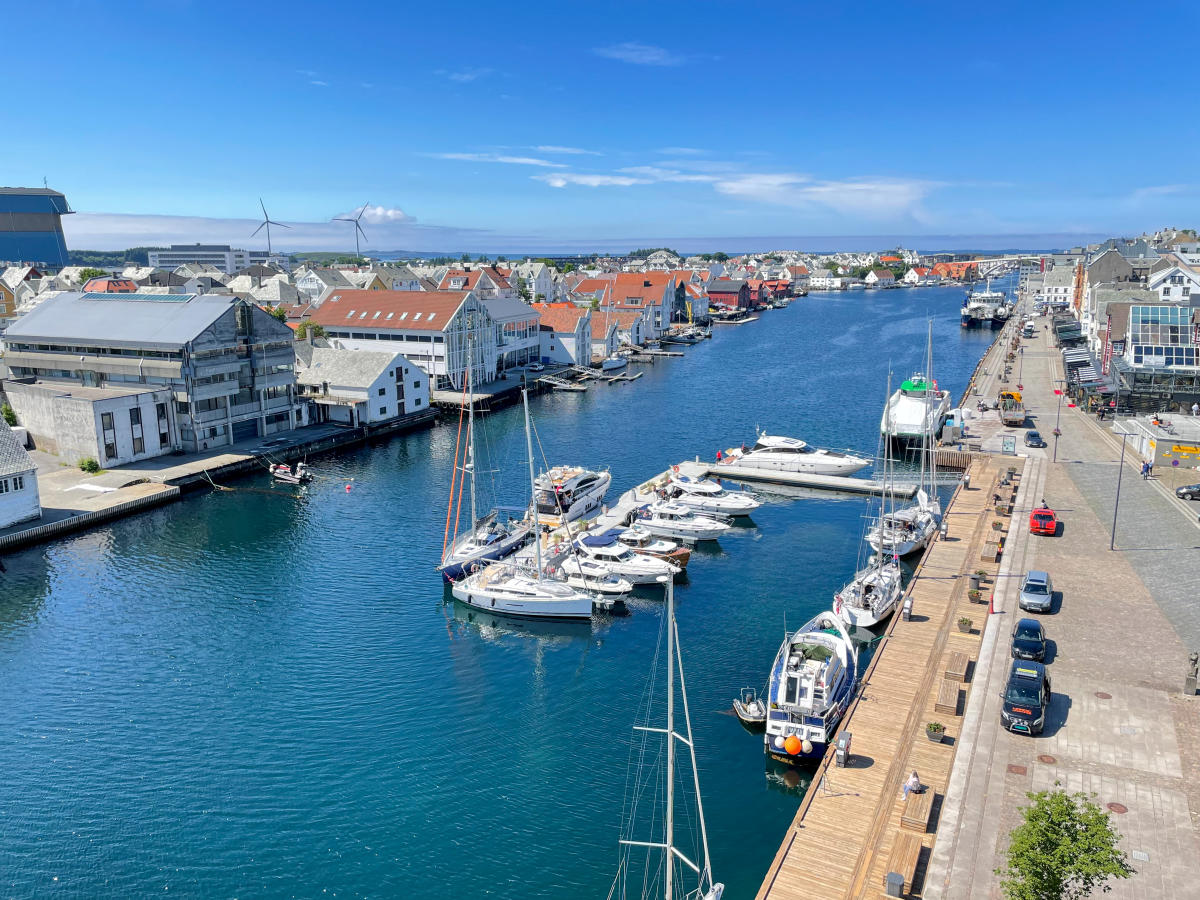
Smedasundet Guest Port, nestled in the heart of Haugesund, Norway, serves as a vibrant hub connecting the region's rich maritime history with modern-day tourism. The port's strategic location within the narrow Smedasundet strait has been a crucial waterway for centuries, witnessing the passage of Viking ships, trading vessels, and fishing boats that shaped Haugesund's development. The city itself gained prominence as a herring fishing center and later as a shipbuilding and shipping powerhouse, all intrinsically linked to the sheltered waters of Smedasundet. Today, the guest harbor accommodates a diverse range of vessels, primarily catering to recreational boating. Yachts, sailboats, and motorboats of varying sizes find ample mooring options, benefiting from the port's well-maintained quays and modern facilities. While primarily focused on leisure craft, smaller commercial vessels, such as local ferries and tour boats, also utilize the port, further enhancing its activity. The port's significance extends beyond its functional role. It acts as a gateway for tourists exploring the Haugaland region, offering easy access to the city's cultural attractions, including the Viking heritage sites, museums, and the annual Norwegian International Film Festival. The bustling atmosphere of the harbor, with its waterfront restaurants, shops, and proximity to historical landmarks, contributes significantly to Haugesund's appeal as a maritime tourism destination. Smedasundet Guest Port stands as a testament to the enduring connection between Haugesund and the sea, blending its historical legacy with contemporary maritime tourism.
VHF: 12
Port
Smiltynė Yacht Club
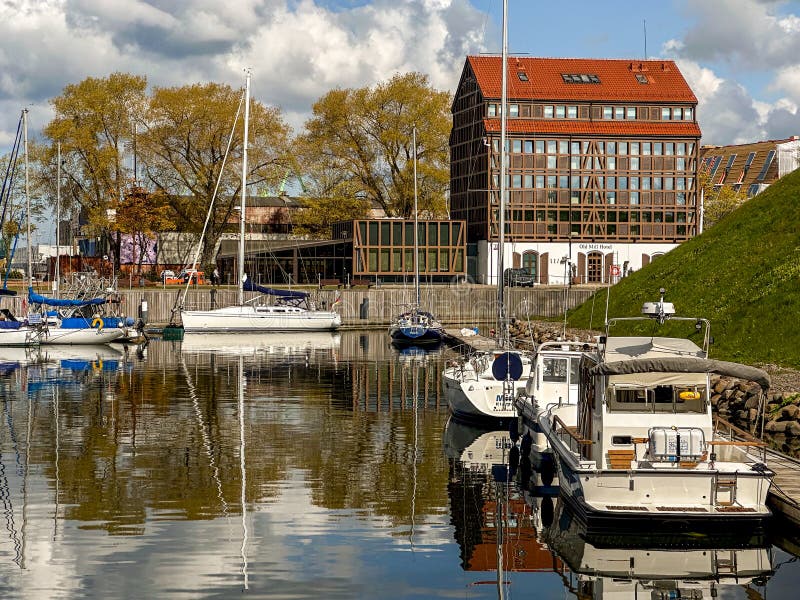
Klaipėda, LITHUANIA
Smiltynė Yacht Club, nestled on the Curonian Spit near Klaipėda, Lithuania, represents a significant maritime landmark with a rich history intertwined with the region's seafaring traditions. Originally established in the interwar period, the club has served as a hub for recreational sailing and maritime activities, reflecting Lithuania's connection to the Baltic Sea. Its facilities have evolved over time, accommodating a diverse range of vessels, primarily yachts and smaller sailing boats, but also capable of hosting larger recreational craft. The club plays a crucial role in promoting sailing and water sports, offering training programs and hosting regattas that attract both local and international participants. Historically, Smiltynė's location made it a vital point for maritime transport and communication. The yacht club builds upon this legacy, offering a modern marina with essential services for visiting yachtsmen and acting as a gateway to the Curonian Lagoon and the wider Baltic Sea. The club's presence enhances the tourism appeal of Smiltynė, attracting visitors interested in maritime heritage and recreational sailing. It contributes significantly to the local economy by providing mooring facilities, repair services, and supporting related businesses. The club's ongoing development ensures it remains a key component of Klaipėda's maritime identity and a valuable resource for the sailing community.
VHF: 12
Port
Smögen Guest Harbour
Smögen, SWEDEN
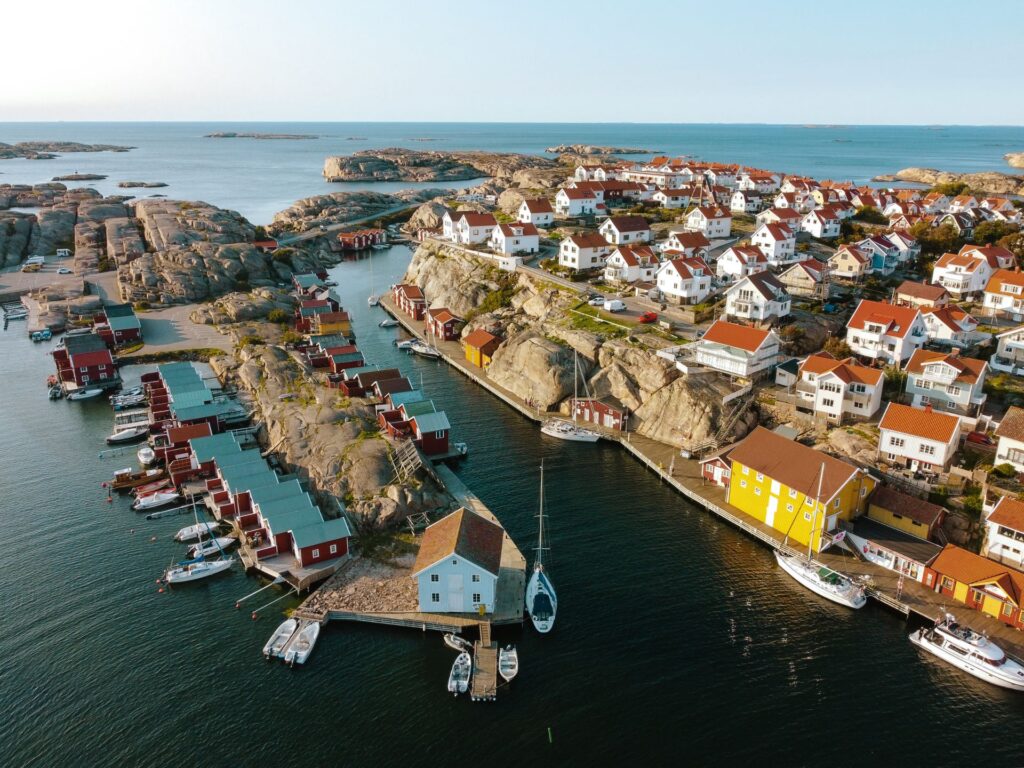
Smögen Guest Harbour, nestled on the picturesque island of Smögen in Bohuslän, Sweden, stands as a vibrant testament to the region's rich maritime history and contemporary tourism appeal. Historically, Smögen evolved from a small fishing community, its fortunes intrinsically linked to the sea. The harbour, once a bustling hub for herring salting and fishing boats, has transformed into a modern marina while retaining its authentic charm. Today, Smögen Guest Harbour accommodates a diverse array of vessels, primarily catering to recreational boating. Yachts of varying sizes, from small sailboats to larger motor yachts, find ample mooring space. While primarily focused on leisure craft, the harbour also occasionally hosts smaller commercial vessels, further connecting its present with its working past. The harbour's location is undeniably its greatest asset. Situated along the iconic Smögenbryggan, a long wooden pier lined with colorful boathouses, shops, and restaurants, it offers unparalleled access to the island's attractions. This vibrant atmosphere draws tourists from around the globe, making Smögen Guest Harbour a key driver of the local economy. Visitors are drawn to the fresh seafood, stunning coastal scenery, and the opportunity to explore the surrounding archipelago. The harbour serves not only as a safe haven for boats, but also as a gateway to experiencing the unique culture and natural beauty of the Swedish West Coast.
VHF: 16