

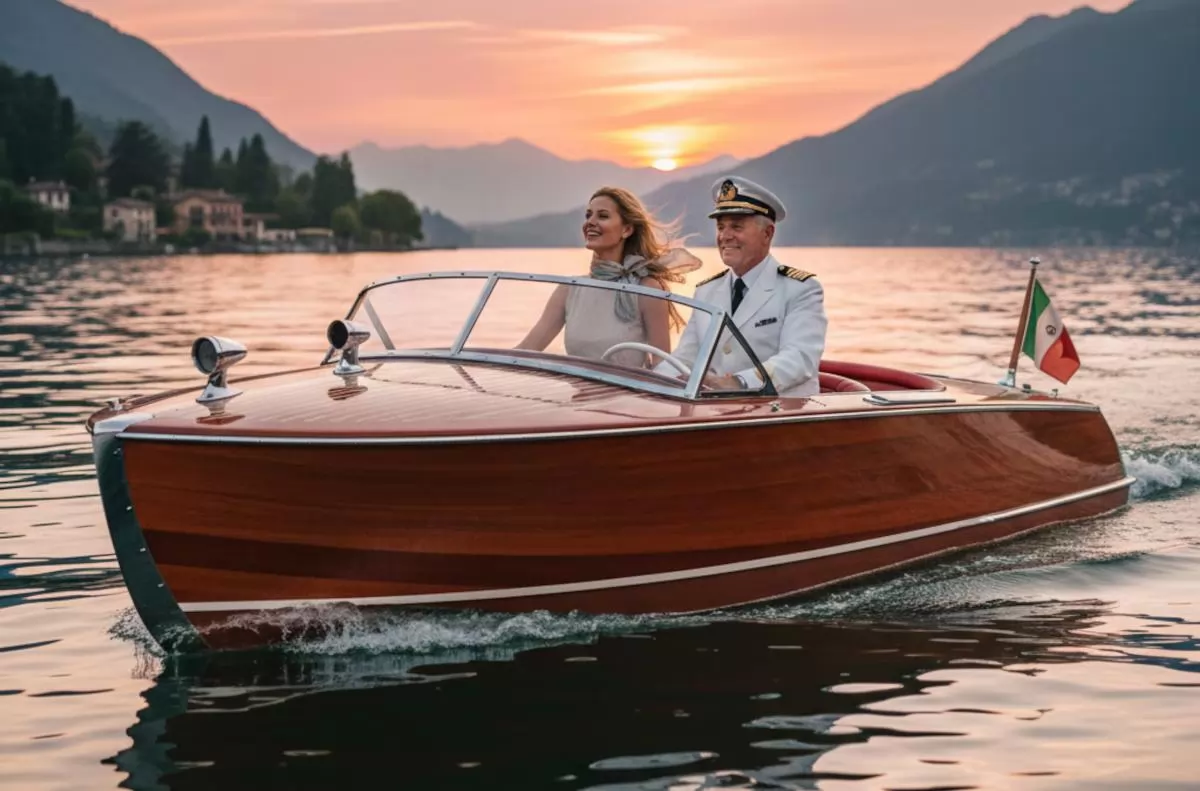
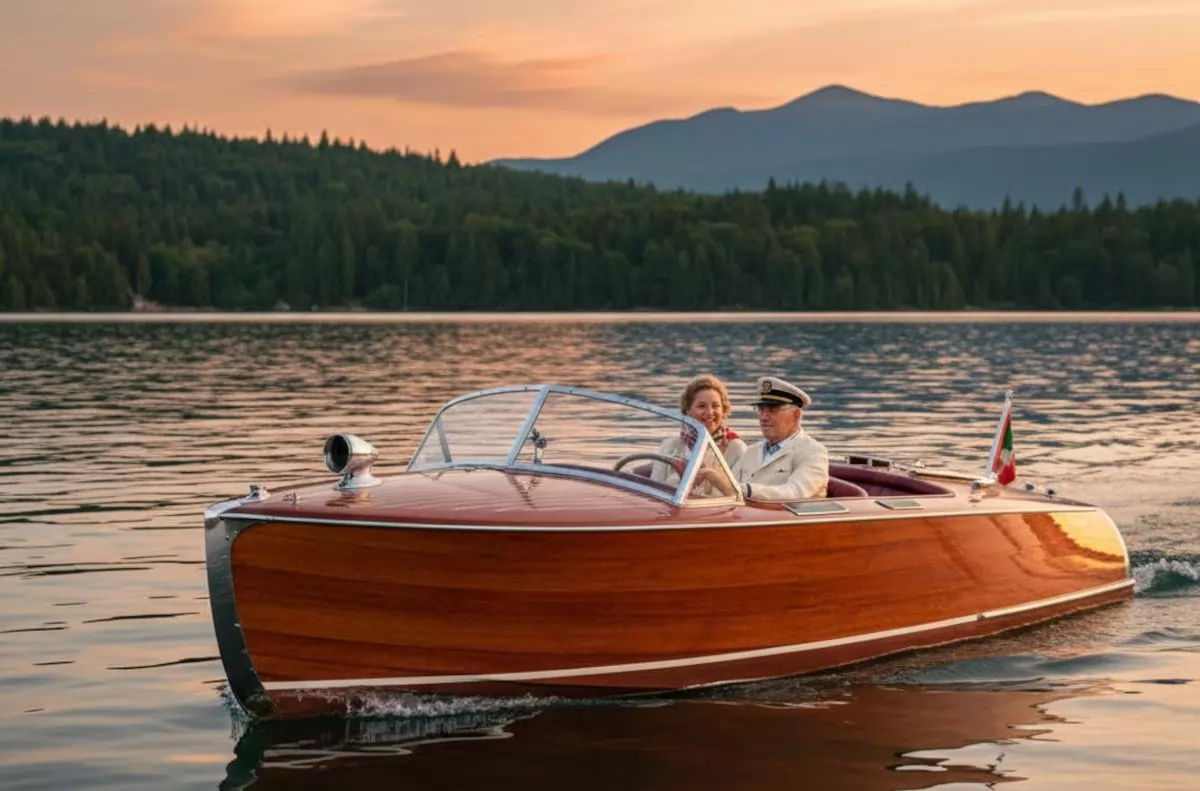
Classic cars turn heads, but classic boats are truly breathtaking. There is a certain magic in a restored wooden yacht or an antique motorboat that transports us back to an era of true craftsmanship. These vessels are not just objects; they are treasure troves of maritime secrets, and sailing them is like journeying through history.
But before you fall in love with the mahogany gleam of a Chris-Craft, you must understand that owning a vintage boat is as much a privilege as it is a responsibility. While we often associate classics with wood, the world of vintage boating also includes the early fiberglass models. Whether you dream of a 1940s mahogany masterpiece or a legendary 1970s sailboat, an old boat brings unique joy but requires a different approach when buying.
1. Define Your Mission
Before searching for your 'treasure,' decide how you will use it.
Are you looking for a peaceful solo sail or lively cruises with friends?
Do you want an elegant rowing boat, a workboat, or a long-distance cruiser?
Where will you store it and how much time can you dedicate to maintenance?
Brands like Riva, Century, Hacker Craft, or Sparkman & Stephens carry great prestige, but each has specific needs that must align with your lifestyle.
2. Restored Gem or a Weekend 'Project'?
If this is your first foray into this world, it is highly recommended to start with a fully restored boat.
Project Boat: It may look cheap, but restoration often takes years and sums that exceed the final market value.
Replicas: Consider a new replica of an old classic. It offers the retro look with modern amenities, easier financing, and lower insurance.
3. Use Community Resources
The internet is full of clubs and forums dedicated to specific brands. Visiting a classic boat show or meeting a professional restorer will give you a realistic idea of the budget and labor ahead.
4. Don't Overlook the Broker and Expert Inspection
For a rare or expensive vessel, a broker is essential. They know the boat’s history and the quality of previous restorations. Important: A classic boat needs a specialized surveyor. Regular inspectors may not recognize issues in vintage systems or the specific condition of an old wooden hull.
5. Pricing is an Art, Not a Science
The price of antique boats depends on factors that rarely apply to modern vessels:
History: Does the boat have famous owners or an interesting past?
Rarity: Is it a collector's item or a mass-produced model?
Condition: How authentic are the hardware and details?
Keep in mind that many banks and insurers refuse to work with classic boats, so research specialized financing options in advance.
6. The Sea Trial: The Moment of Truth
Never buy a classic without putting it in the water. Does it leak? Does the engine smoke? Does the hull creak suspiciously? Test everything—from raising the sails to the electrical system—and be sure to bring your restorer or master technician with you during the trial.
Life After the Purchase
Buying is just the beginning. You need to plan for storage (wooden boats are sensitive to humidity and temperature) and decide whether you will maintain the vessel yourself or rely on professionals.
Once 'bitten by the bug' of classic boating, you will likely never look at modern boats the same way again. These beauties are pure emotion—just enter this relationship with your eyes wide open.

