

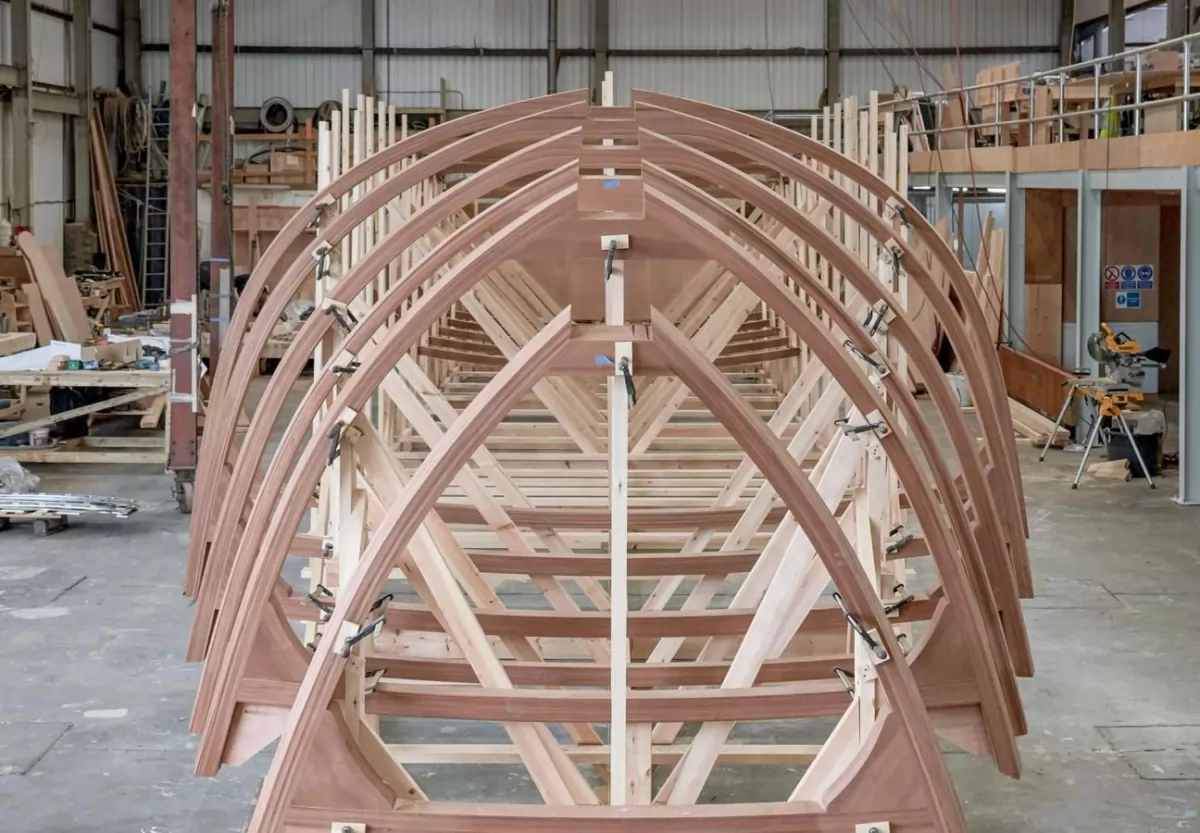
For centuries, the United Kingdom’s maritime identity was defined by timber, adzes, and the master shipwrights who shaped British seafaring prowess. Today, the UK wooden boatbuilding industry stands at a critical crossroads. Confronted with the ubiquity of modern composites, rising raw material costs, and an aging workforce of master craftspeople, industry insiders are debating whether the sector is heading toward terminal decline or orchestrating a remarkable cultural and commercial revival.
While fiberglass and carbon fiber dominate contemporary boat manufacturing, wooden vessels maintain an indelible allure. Traditional yards and specialized restoration workshops across the South West, East Anglia, and Scotland report resilient enthusiasm from discerning owners who value authenticity, bespoke aesthetics, and the tactile warmth of timber. Moreover, modern cold-molding techniques and advanced bio-epoxies have bridged the gap between heritage boatbuilding and cutting-edge engineering, allowing modern wooden boats to match or exceed the structural integrity and performance of composite counterparts.
However, significant challenges persist. Access to sustainably sourced, high-grade marine timber—such as teak, mahogany, and larch—has become increasingly complicated under strict conservation regulations and global supply chain disruptions. Furthermore, training the next generation remains a vital issue. Although institutions like the Boat Building Academy in Lyme Regis and the International Boatbuilding Training College (IBTC) continue to train skilled graduates, sustaining commercial yards in the face of rising operational costs demands dedicated investment and public appreciation for marine heritage.
Ultimately, the fate of UK wooden boatbuilding hinges on its capacity to blend heritage skills with sustainable innovation. Rather than a relic of the past, wooden boat construction is carving out a high-value niche in luxury dayboats, classic racing yachts, and eco-conscious leisure cruising, proving that Britain's oldest maritime craft still possesses plenty of life for the voyage ahead.

